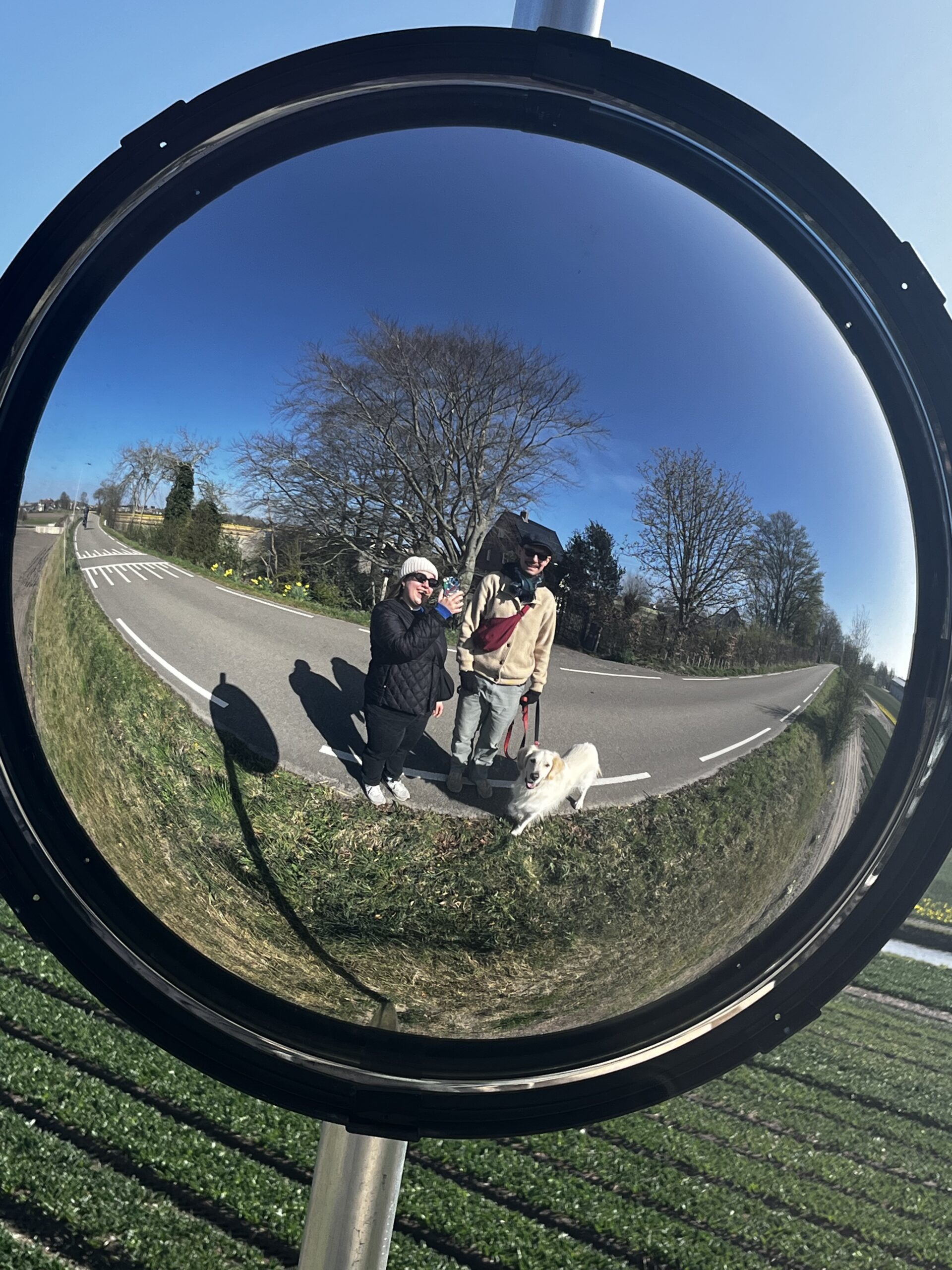
This guide covers the 19 best things to do in Warsaw — history, culture, food, parks, and a few things most tourists skip. Prices are in PLN with USD, EUR, and GBP conversions.
Currency note(March 2026): 1 PLN ≈ $0.25 / €0.23 / £0.20.
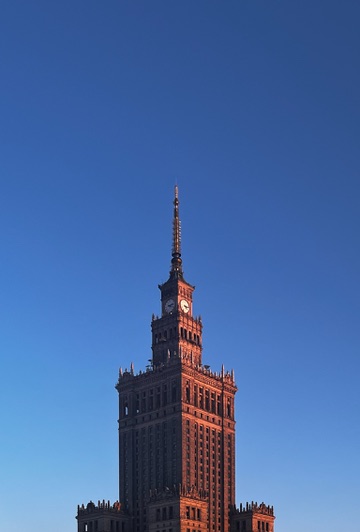
Table of Contents
Walk the Old Town — and understand why it shouldn’t exist
Warsaw doesn’t try to seduce you the way Prague does. There’s no single postcard moment, no one cobblestone square everyone agrees is the reason to come. What Warsaw has instead is something harder to summarise: a city that was destroyed and rebuilt from scratch, which means you’re constantly looking at places that shouldn’t exist — and that gives everything a slightly surreal weight that sticks with you.
Stare Miasto (STAH-reh MYAH-stoh) looks like a classic Central European old town — colourful merchant houses around a cobblestone square, a gothic cathedral, a mermaid statue at the centre.
What most visitors don’t know until someone tells them is that almost none of it is original!
After the Warsaw Uprising in 1944, the Nazis systematically demolished the city building by building, using explosives and flamethrowers. By the time they were done, 85–90% of Warsaw was rubble.
In the first months after the end of World War II, there were even discussions of moving the capital to Lublin because of the city’s condition. The decision to rebuild the Old Town exactly as it had been — using 18th-century Canaletto paintings, old photographs, and surviving architectural records — was a political act as much as anything else. Warsaw refused to be erased.
The reconstruction took decades and eventually earned UNESCO World Heritage status, somewhat unusually, for the quality of the rebuild rather than the age of the buildings. Walk the Market Square (Rynek Starego Miasta), go through the Barbican, and spend time in St. John’s Cathedral, the oldest church in the city.
The neighbouring New Town (Nowe Miasto, which is actually from the 15th century) is quieter and worth 20 minutes if you want to escape the tourist core.
👉 Practical info: Free to walk around. The Old Town is walkable from most central hotels; if coming by metro, take Line 1 to Ratusz Arsenał
Visit the Royal Castle
The Royal Castle (Zamek Królewski) sits at the top of Castle Square, at the entrance to the Old Town. Like everything around it, it was deliberately destroyed by the Nazis and rebuilt afterwards — the reconstruction of the interior was partly funded by public donations from Polish citizens during the communist era, which gives you some sense of what the building means to people here.
Inside, the standout is the Canaletto Room, hung with the same 18th-century paintings of Warsaw that were used to reconstruct the city.
There’s something quietly extraordinary about standing in a room that was rebuilt using paintings that now hang in that room.
The royal apartments are well-preserved, and the interiors are more elaborate than the exterior suggests.

Here’s Baks, our dog next to the Royal Castle. He thinks it’s his new house 😉
👉Practical info: Entry 35 PLN (~$9 / €8 / £7), free on Sundays. Closed Mondays. Book ahead at weekends in summer at zamek-krolewski.pl. Allow 60–90 minutes.
Warsaw Uprising Museum — don’t skip this one
If you see only one museum in Warsaw, make it this one.
The Warsaw Uprising Museum (Muzeum Powstania Warszawskiego) covers the 63-day uprising in August–October 1944 when the Polish Home Army fought the German occupation. They lost. The city was then levelled in deliberate retaliation. Around 200,000 civilians died during the uprising and its aftermath.
The museum is immersive in the right way; you move through recreated sewers and streets, hear radio broadcasts from the period, and see original weapons, documents, and personal belongings.
It doesn’t over-explain or over-dramatise. It trusts you to understand what you’re looking at. Most Americans and Brits know almost nothing about the Warsaw Uprising specifically (as distinct from the Ghetto Uprising of 1943, which was a separate event), and this museum is the most efficient way to fill that gap. Plan 2.5–3 hours minimum, as the exhibition is large.
👉Practical info: 35 PLN (~$9 / €8 / £7), free on Sundays. Address: ul. Grzybowska 79. Metro Line 2 to Rondo Daszyńskiego, then a 10-minute walk. Book tickets in advance on weekends: 1944.pl.
Walk the Royal Route
The Royal Route (Trakt Królewski) is a 4km walking axis that runs south from Castle Square through Krakowskie Przedmieście (krah-KOV-skyeh pshehd-MYESH-cheh) and Nowy Świat down toward Łazienki Park. It’s the best orientation walk for your first morning in the city, and it passes more than you’d think.
On this stretch: the Presidential Palace, the Church of the Holy Cross where Chopin’s heart is literally sealed inside a pillar (he died in Paris and requested that his heart be returned to Poland, his sister smuggled it back in a jar of cognac), the University of Warsaw, and a string of cafes and restaurants that range from overpriced tourist traps to genuinely good spots.
Nowy Świat (the southern section) has better food options and a more local feel than the streets immediately around the Old Town.
👉Practical info: Free to walk. Allow 1.5–2 hours at a relaxed pace. Start at Castle Square and walk south. See the cafes on Nowy Świat for specific eating recommendations along the route.
Café Bristol – old-school Polish pastries and the best hot chocolate in the city
Café Bristol is inside the Hotel Bristol on Krakowskie Przedmieście, directly on the Royal Route, so there’s no reason not to stop in during your walk. It’s been here for over a hundred years and somehow still feels like it has a point, the interior is elegant without being off-putting, and you can almost always find a table without a reservation on weekend afternoons.

The pastry display case is worth stopping for on its own. There’s kremówka — if you don’t know what that is, it’s a vanilla cream slice made with puff pastry and a thick custard filling, the kind of thing that sounds simple until you eat a good one.
Jan Paul II mentioned it publicly as his favourite childhood pastry from his hometown of Wadowice, which means every café in Poland now serves it with a certain sense of historical duty. Bristol’s version is genuinely good. Next to it in the case, you’ll find more contemporary small-portion desserts.
I always order the hot chocolate with cherries. It’s thick and dark, and the sour cherries cut through the sweetness in exactly the right way. It’s one of those things that’s easy to do badly, and they do it well — especially in autumn or winter, when you come in from the cold and sit by the window looking out onto Krakowskie Przedmieście.

👉Practical info: Pastries 15–25 PLN (~$4–6 / €3–5 / £3–4) each. Hot chocolate around 22–28 PLN (~$5–7). Address: Krakowskie Przedmieście 42/44, inside Hotel Bristol. Open daily. No reservation needed outside weekend afternoons.
Check out where it is worth getting a cup of coffee in Warsaw in our guide about the best cafes in Warsaw.
Go up the Palace of Culture and Science

This one is one of the most unique buildings in Poland; you won’t find anything like this in any Western country.
The Palace of Culture and Science (Pałac Kultury i Nauki) is Warsaw’s most polarising building. Stalin had it built as a „gift” to Poland in the early 1950s, which is part of why many Poles have always had complicated feelings about it.
For decades, it was the tallest building in the country and impossible to ignore. The joke used to be that the best view in Warsaw was from the top of the Palace, because it’s the one place in the city from which you can’t see the Palace.
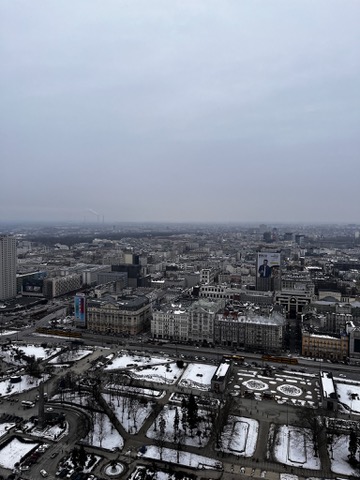
It’s still the tallest building in Poland. The 30th-floor observation deck gives a 360° view over the city and is genuinely worth the price of admission, especially on a clear day when you can see how Warsaw’s districts spread out across the flat Mazovian plain.
The building also contains cinemas, theatres, a university, and a congress hall — it’s a small city inside a building. It is one of the most unusual and cool things to do in Warsaw.
👉Practical info: Observation deck 30 PLN (~$8 / €7 / £6). Open daily, hours vary seasonally. Central location — hard to miss, directly behind Warsaw Central Station.
POLIN Museum of the History of Polish Jews
Before 1939, Warsaw had one of the largest Jewish populations in the world — over 350,000 people, roughly 30% of the city. Almost all of them were murdered during the war.
The POLIN Museum (the name means „Poland” in Hebrew) sits in the former Ghetto area and tells 1,000 years of Jewish life in Poland, not just the Holocaust. That scope is what makes it different from what you might expect.
The building is exceptional, it is a copper-and-glass structure that opened in 2013 and won the European Museum of the Year award.
The permanent exhibition takes 3–4 hours to go through properly and is one of the best-designed history exhibitions in Europe. Outside the museum is the Monument to the Ghetto Heroes. A short walk away is the Umschlagplatz, the loading point from which around 300,000 Warsaw Jews were deported to Treblinka. These are heavy things to sit with, and they should be.
👉Practical info: 40 PLN (~$10 / €9 / £8). Free entrance on Thursdays. Closed Tuesdays. Address: ul. Mordechaja Anielewicza 6. Tram or bus to Zamenhofa stop. Book at polin.pl.
Lighten yourself – The Neon Museum
The Neon Museum (Muzeum Neonów) collects and restores Cold War-era neon signs from across Poland — shopfronts, hotel signs, cinema marquees, logos from the socialist period. It sounds like a niche interest, but the signs themselves are extraordinary objects: handmade, often enormous, with a craftsmanship that was entirely at odds with the drab uniformity of everything else around them at the time.
Poland had a surprisingly sophisticated neon culture in the 1950s–70s, partly because neon was seen as a way to modernise the public realm without directly importing Western capitalism.
The museum is in the Praga district on the east bank of the Vistula, which is itself worth exploring — it’s one of the few Warsaw neighbourhoods that wasn’t completely rebuilt after the war and has a rougher, more uneven character than the rest of the city. Older buildings, street art, fewer tourists.
👉Practical info: 20 PLN (~$5 / €5 / £4). Takes about 60 minutes. Address: ul. Mińska 25 (in the Soho Factory complex). Tram to Mińska stop from the city centre.
Varso Tower — the tallest building in the EU (and a view worth paying for)
Varso Tower opened in 2022 and at 310 metres — spire included — it’s currently the tallest building in the European Union. The building tapers as it rises, with a steel exoskeleton visible on the exterior and a spire that’s more antenna than vanity — it makes the building look like it’s still mid-construction from certain angles, which is either a flaw or a feature depending on how you feel about that kind of thing.
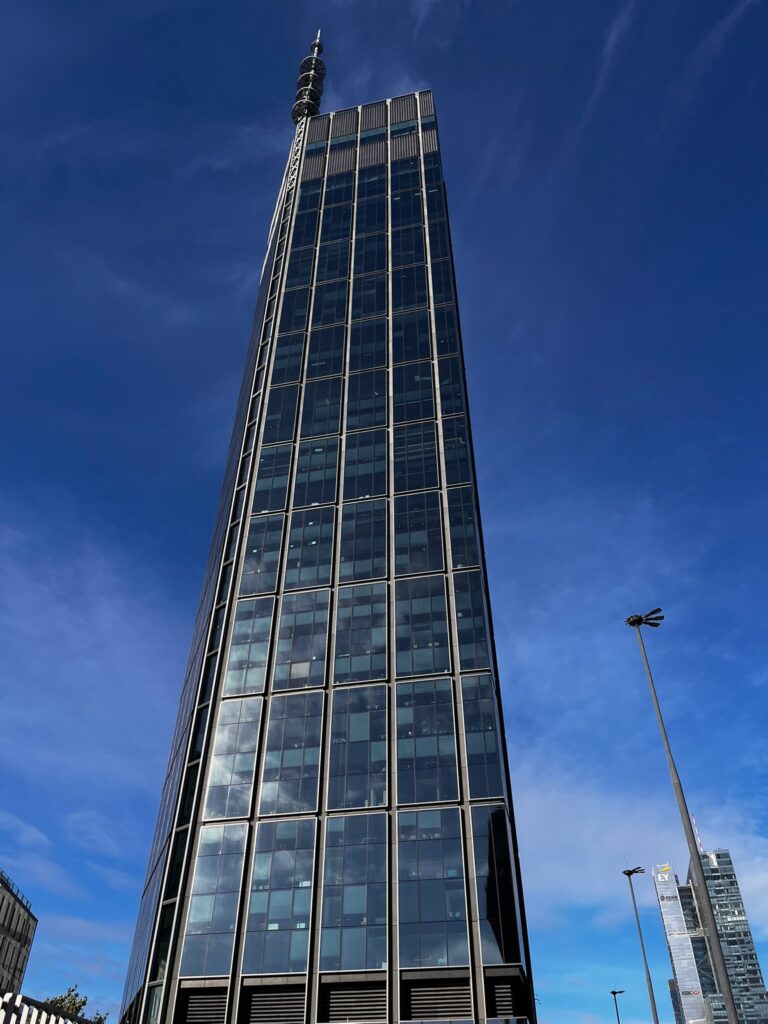
The observation deck, called HUR (from the Polish word for „hurra,” the exclamation), sits at 230 metres and is the highest publicly accessible viewpoint in Warsaw.
The views are notably better than those from the Palace of Culture, not just because you’re higher but because you’re looking at a different slice of the city — you can see the full spread of the centre, the Vistula, the older districts to the north, and on a clear day the plains stretching out far beyond the city limits.
Whether it’s worth going up both here and the Palace of Culture is a fair question.
The Palace gives you the Soviet-era experience and the historical context; Varso gives you the better view. If you’re only doing one, Varso wins on pure spectacle. If you’re interested in the contrast between what Warsaw was and what it’s becoming, doing both makes sense — they’re a 5-minute walk apart.
👉Practical info: HUR observation deck tickets around 79 PLN (~$20 / €18 / £16). Open daily, hours vary — book in advance at hur.com.pl. Address: ul. Chmielna 69, directly next to Warsaw Central Station. No transport needed if you’re arriving by train.
Fryderyk Chopin Museum
The Chopin Museum (Muzeum Fryderyka Chopina) is in the Ostrogski Palace on ul. Okólnik, a short walk from the Royal Route.
It covers Chopin’s life from his childhood in Poland through his years in Paris, using original manuscripts, instruments, personal correspondence, and interactive listening stations where you can hear multiple pianists’ interpretations of the same composition side by side.
It’s a better museum than you’d expect a composer-specific museum to be, mainly because it doesn’t just treat Chopin as a historical figure — it actually engages with the music.
The listening stations are the best part. You don’t need to be a classical music fan to get something out of it, but if you are, you’ll want to set aside more time than you think.
👉Practical info: 30 PLN (~$7.50 / €7 / £6), free on Sundays. Closed Mondays. Address: ul. Okólnik 1. Book ahead at weekends: chopin.museum
Attention! The museum is closed to visitors from January to December 2026, but it is still worth taking a walk around.
Polish Versailles – Wilanów Palace
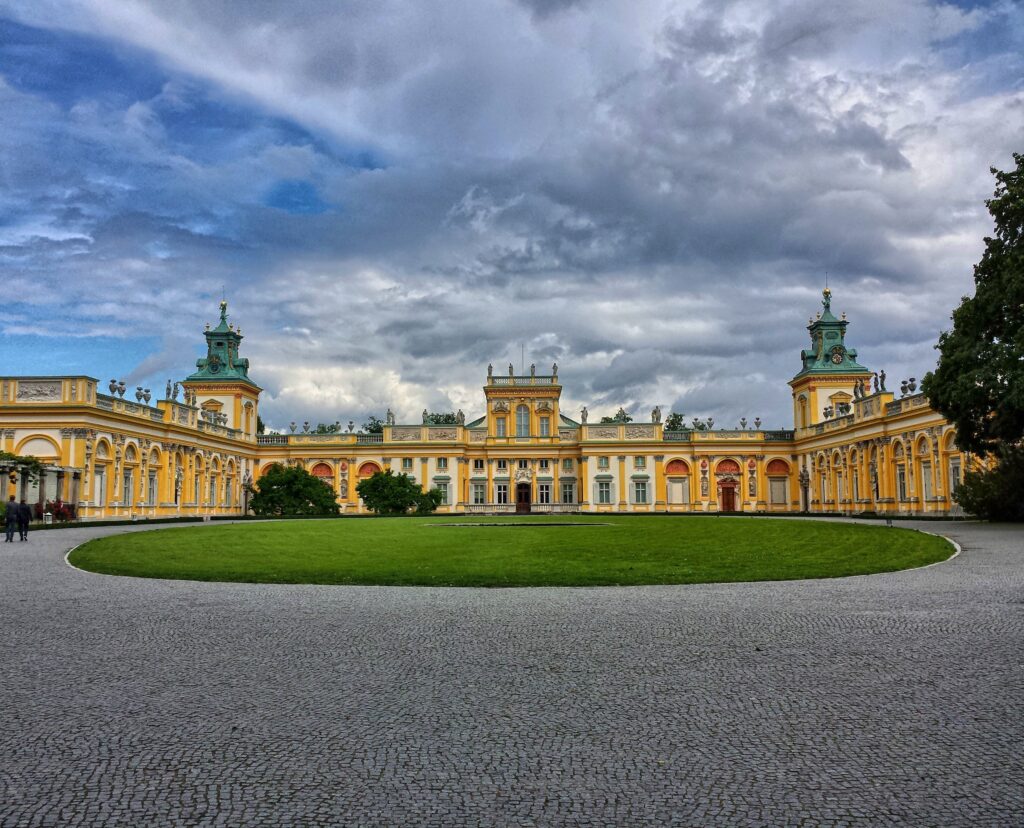
Wilanów (vil-AH-noof) is a late 17th-century Baroque palace on the southern edge of Warsaw, built for King Jan III Sobieski.
It gets called the „Polish Versailles” in a lot of guides, which is generous, it’s smaller and quieter than Versailles, and if you arrive expecting that scale you’ll be slightly disappointed.
What it actually is: an attractive, well-preserved palace with formal gardens and a decent collection of royal portraits and decorative arts, in a setting that feels a long way from central Warsaw.
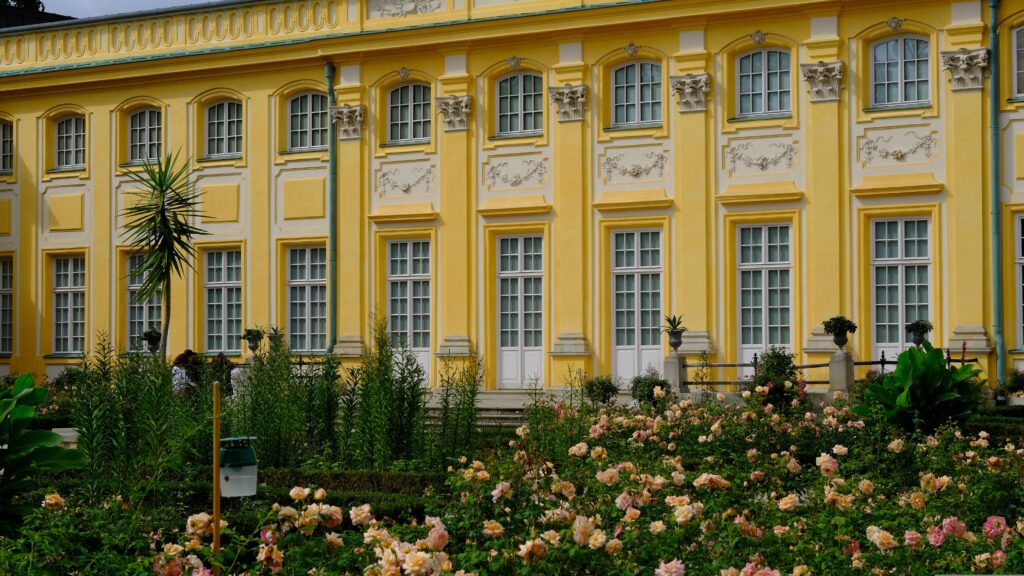
It’s worth going if you have more than two days in the city or if you’re travelling with kids who need outdoor space. On its own, it’s probably not worth a special 10km trip from the centre unless you’re combining it with a car and making a half-day of the south of the city. Parking at Wilanów is easy and free, making it a good destination if you’ve rented a car.
👉Practical info: Palace entry 45 PLN (~$11 / €10 / £9). Gardens cheaper separately. Closed Tuesdays. Bus 116 or 180 from the city centre (about 30–40 minutes), or Bolt (around 30–40 PLN / ~$8–10 from the centre).
Take a walk on the Vistula Boulevards
The Wisła (VEE-swah) riverfront was redeveloped over the last decade and is now one of the best places in Warsaw to spend a warm evening.
There are food trucks, open-air bars, kayak rentals, a seasonal beach bar, and a lot of Varsovians who come here specifically to sit by the water with a beer and not do much. On summer evenings it’s genuinely lively — but in a low-key, relaxed way, not a tourist-attraction way.
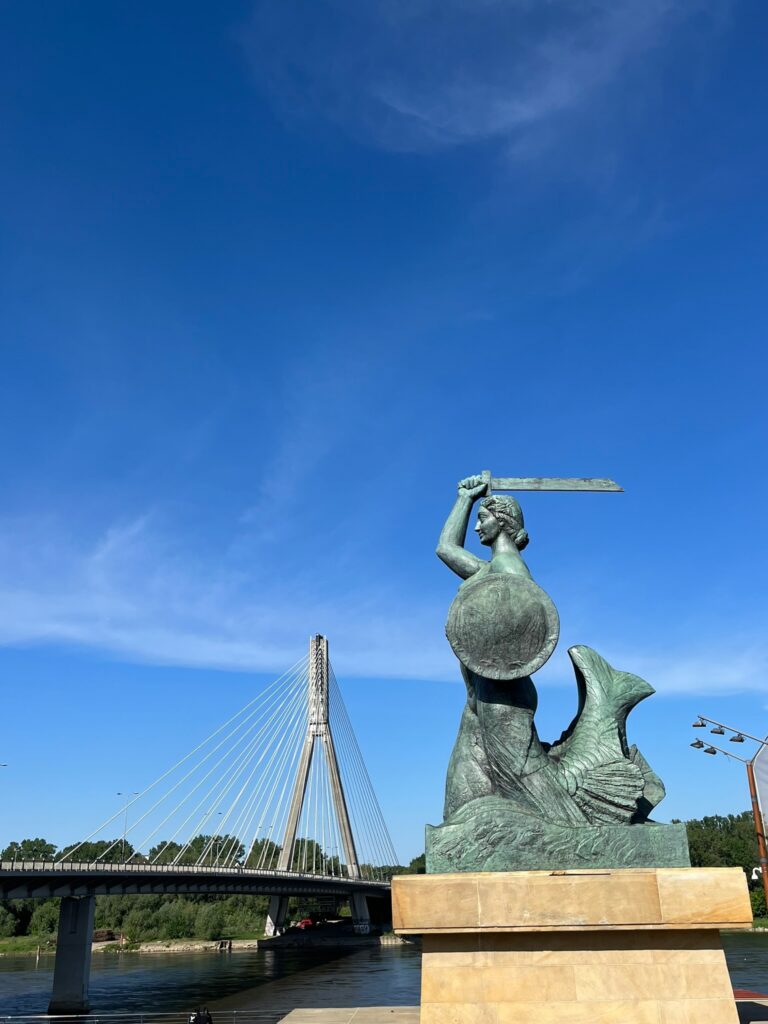
On the photo one of the main points of Wistula boulevards – statue of the siren. Siren is the symbol of Warsaw. Behind the siren you can see the Świętokrzyski bridge.
The main boulevard section runs from near the Old Town south past the bridges. On the Praga side of the river (east bank), there’s a quieter version of the same thing with a slightly more local crowd.
If you’re in Warsaw from June through August, don’t skip this — it’s a different side of the city from the museums, and it’s where you get a sense of what Warsaw is like when it’s not performing for visitors.
👉Practical info: Free. Accessible from the Old Town on foot (walk east toward the river) or by tram to most central bridge stops. Personally, I recommend taking a walk from the Most Świętokrzyski, which is one of the most visually interesting in Warsaw, and also has a nice view over the city skyline and Warsaw’s stadium.
University of Warsaw Library rooftop garden
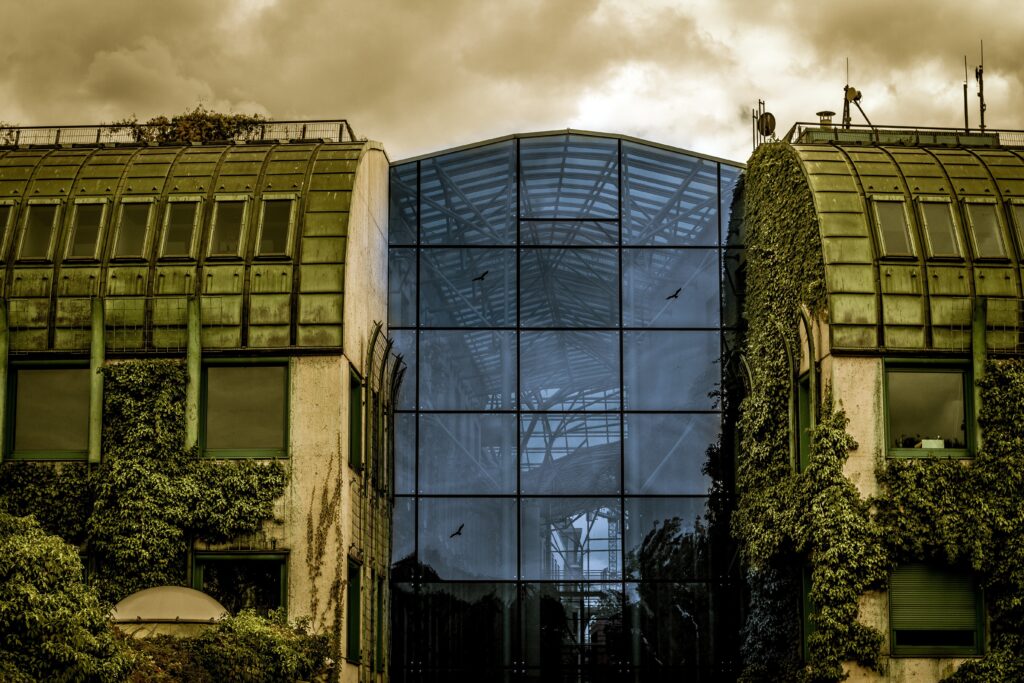
The University of Warsaw Library (Biblioteka Uniwersytecka w Warszawie) has a rooftop garden that covers about 1 hectare — plants, pathways, ponds, and good views over the Vistula and the city.
It’s one of the larger rooftop gardens in Europe and almost nobody outside Warsaw knows it exists.
It’s free, it’s usually quiet, and the views are decent. It sits right on the riverfront near the Copernicus Science Centre, so it combines well with a walk along the Boulevards or a visit to the Chopin Museum. Worth 30–40 minutes, more if the weather’s good.
👉Practical info: Free. Open daily (hours vary seasonally — check before going in winter). Address: ul. Dobra 56/66. Tram to Uniwersytet Warszawski stop.
Eat at a bar mleczny (milk bar)
A bar mleczny (bar MLECH-ny, plural bary mleczne) is a subsidised canteen-style restaurant that survived from the communist era. You queue, order at a counter, collect a tray, sit down, and eat simple Polish food at prices that feel almost absurdly cheap.
A full meal, consisting on a soup, main, and kompot (a fruit drink) runs 15–25 PLN (~$4–6). The food isn’t fancy: bigos (hunter’s stew with sauerkraut and meat), żurek (sour rye soup with egg and sausage), kopytka (potato dumplings), kotlet schabowy (breaded pork cutlet with potatoes and cabbage). It’s the Polish equivalent of a greasy spoon, and I mean that as a compliment.
Bar Prasowy on ul. Marszałkowska is a reliable central option and one of the more atmospheric ones. It still has the original decor and the original pace, which is slower than you’d like but part of the experience. Arrive outside peak lunch hours (12–2pm) to avoid a queue.
👉Practical info: 15–25 PLN (~$4–6) for a full meal. Cash is usually preferred. Bar Prasowy: ul. Marszałkowska 10/16.
Try yourself – Copernicus Science Centre
The Copernicus Science Centre (Centrum Nauki Kopernik) is on the Vistula riverfront, a 10-minute walk from the University of Warsaw Library garden. It’s a hands-on science museum primarily aimed at kids and teenagers, but the exhibits are well-designed enough that adults get something out of it too. There’s a large planetarium, interactive physics and chemistry exhibits, and a section on the human body.
If you’re travelling with children, this is probably the best option in Warsaw for a half-day activity. If you’re not, it’s skippable, but worth pairing with a walk along the Boulevards if you’re in that part of the city anyway.
👉Practical info: 45 PLN (~$11 / €10 / £9) for adults, less for children. Closed Mondays. Address: ul. Wybrzeże Kościuszkowskie 20. Tram to Centrum Nauki Kopernik stop. Book at kopernik.org.pl.
Try pierogi at a proper pierogarnia
Pierogi (pyeh-ROH-ghee) are everywhere in Warsaw, but quality varies a lot. Tourist restaurants in and around the Old Town frequently charge 70–100 PLN for a plate that isn’t particularly good. A dedicated pierogarnia (pierogi restaurant) does them properly and charges 25–35 PLN (~$6–9 / €6–8 / £5–7) for a generous plate.
The classic filling is ruskie/ukraińskie: potato and white cheese with fried onion, but most places also do meat, sauerkraut and mushroom (good in winter), and sweet versions with blueberries or strawberries. You should definitely try pierogi in Syrena Irena. Located on Nowy Świat, close to the historical old town, serves amazing pierogies in traditional but also modern versions. Once ate there pierogi with halva and black currant, amazing! Don’t forget to order also some kind of additions to your pierogi, like bacon, skwarki(which is just caramelised onion with butter, or more Ukrainian style with sour cream.
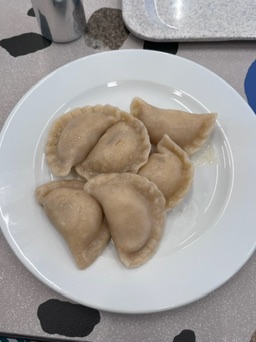
If you want to go further, a pierogi cooking class is a decent afternoon activity — you make them, you eat them, you take the recipe home.

👉Practical info: Budget 25–35 PLN (~$6–9) per plate at a dedicated restaurant. Cooking classes run around 150–200 PLN (~$37–50) per person and can be booked through most city-centre tour operators or Airbnb Experiences.
Praga district — the other Warsaw
Praga (PRAH-gah) is the main district on the east bank of the Vistula, and it has a noticeably different character from the rest of Warsaw. While the west bank was mostly destroyed and rebuilt after the war, Praga survived relatively intact, which means it still has pre-war tenement buildings, older streets, and a slightly shabby, unpolished quality that the rest of central Warsaw doesn’t really have anymore.
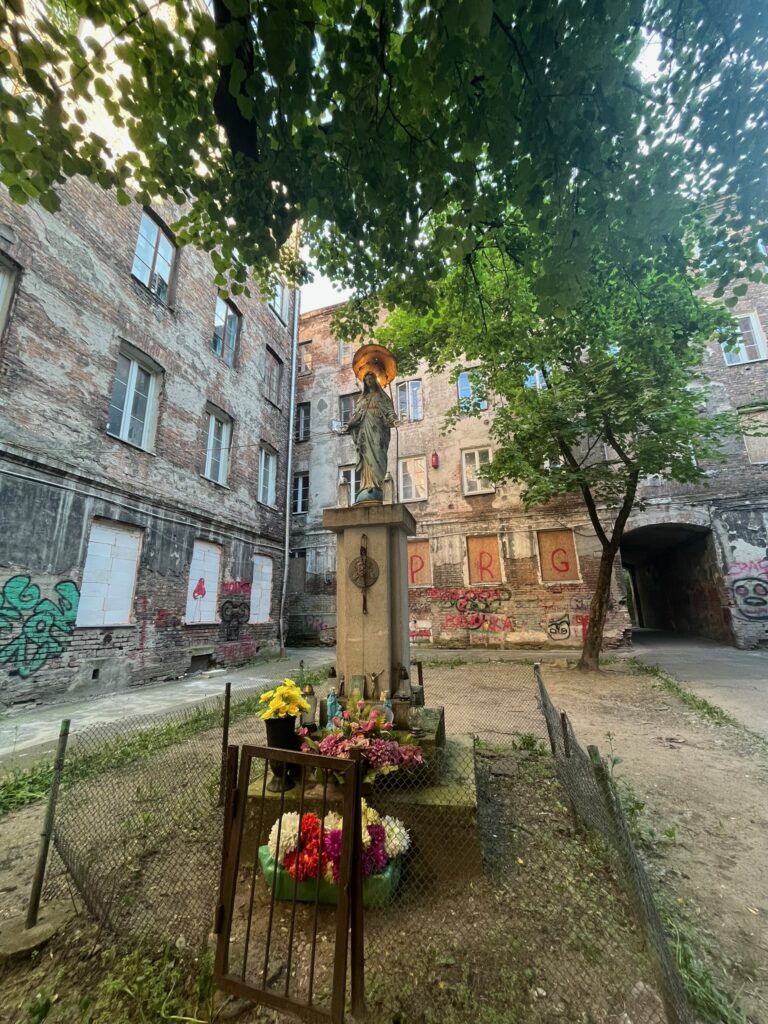
It used to have a rough reputation, and parts of it are still in the middle of gentrification, but the core of Praga around ul. Ząbkowska and the Soho Factory area is now quite pleasant to walk.
The Neon Museum is here, there are decent bars and cafes, and the street art is good. It’s worth an afternoon if you want to see something that feels less like a tourist itinerary and more like an actual neighbourhood.
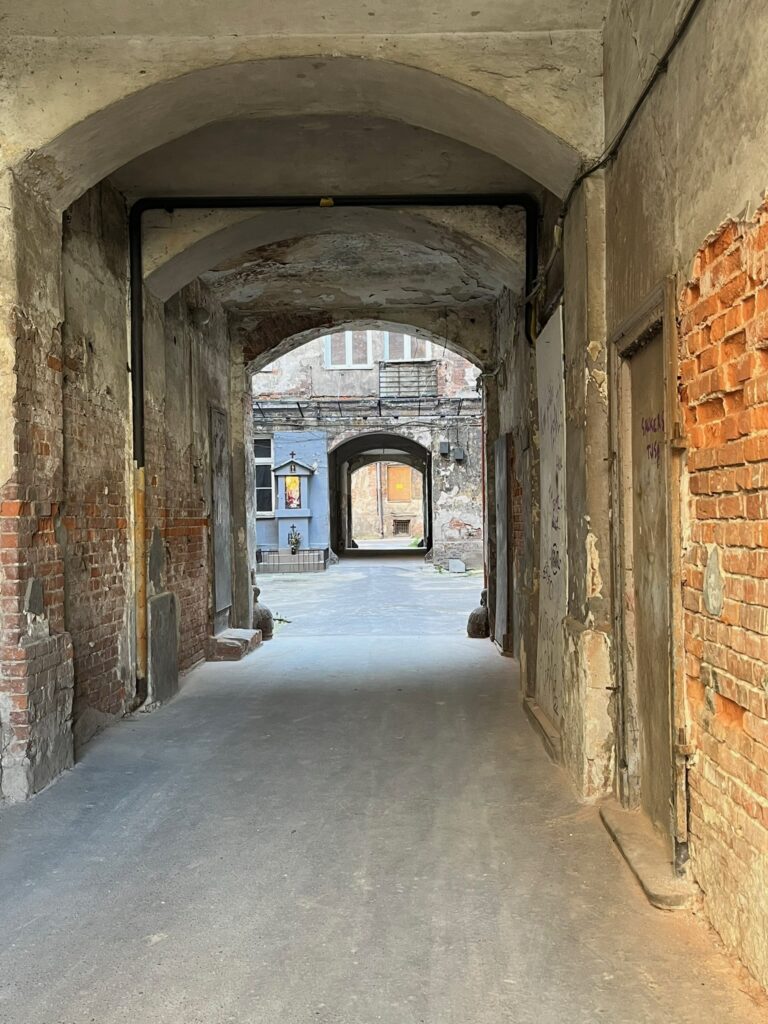
👉Practical info: Free to explore. Metro Line 2 crosses to Praga — Stadion Narodowy or Dworzec Wileński stops are both useful entry points.
Vodka Museum
The Vodka Museum (Muzeum Wódki) is on ul. Żytnia, a short walk from the Norblin Factory. It covers the history of Polish vodka from the 16th century, when it was used medicinally, through the industrial era, the communist period, when the state controlled all production, and up to the current craft distillery scene. The exhibition is better put together than the name might suggest, and it ends with a tasting.
Poland and Russia have long disputed the origins of vodka, and the museum takes a clear position on that debate (Poland, obviously). Worth going in with a bit of scepticism about the more nationalistic framing, but as a piece of food and social history, it’s solid.
👉Practical info: Around 40 PLN (~$10 / €9 / £8) including tasting. Takes 60–75 minutes. Address: ul. Żytnia 8. Bolt from the city centre costs around 15–20 PLN.
One day trip – use Warsaw as a base
Warsaw is the best rail hub in Poland. From Warsaw Central, express trains reach Kraków in 2.5 hours (from ~60 PLN / ~$15 one-way if booked in advance), Gdańsk or Poznań in 3 hours, and Wrocław in 3.5 hours. If you’re spending a week in Poland, Warsaw makes a good base for at least one day trip.
Kraków is the obvious choice, it’s the other major city, it has the Wawel Castle and the old Jewish quarter of Kazimierz, and it’s the logical base for visiting Auschwitz-Birkenau (70 minutes by local train from Kraków’s main station). If Auschwitz is on your itinerary, going via Kraków is the sensible route, direct from Warsaw it’s a 3.5–4.5 hour drive or a train journey with at least one change that takes most of a day each way.
If you would like to get crazy, going somewhere further and see completely different Poland, in 4 hours you can visit Szczecin. The biggest seaport in Poland, and well-known for their modern architecture.
FAQ
Yes, and it tends to surprise people. Most visitors arrive expecting a post-communist grey city and leave having had a more interesting time than they expected. The history is genuinely heavy and the museums are world-class. It’s also noticeably cheaper than Prague, Vienna, or any Western European capital, and less crowded than Kraków.
About 310–330 km, which is 3.5–4.5 hours by car or a 4–5 hour train journey with at least one change. It’s doable as a very long day trip from Warsaw, but exhausting. The better approach is to take the express train to Kraków (2.5 hours) and do Auschwitz from there — it’s only 70 minutes by local train from Kraków. If Auschwitz is important to your itinerary, build a Kraków stop into the trip rather than doing it as a round trip from Warsaw in one day.
Two full days is enough to cover the most important things without feeling rushed. Day 1: Old Town and Royal Castle in the morning, Warsaw Uprising Museum in the afternoon, Nowy Świat or the Vistula Boulevards in the evening. Day 2: POLIN Museum in the morning, Łazienki Park in the afternoon, Norblin Factory for dinner. That covers the historical core and gives you a sense of the modern city. A third day lets you slow down and explore Praga, Wilanów, or Chopin Museum more comfortably.