
Poland doesn’t get the attention it deserves. Most Americans and Brits can name Kraków, and Warsaw. But the country has more going on than vodka and pierogi (though both are worth your time). It’s one of the most affordable countries in the EU, the food is genuinely excellent, and it’s compact enough that you can see four or five cities in two weeks without feeling rushed.
This guide covers the best things to do in Poland straight from the locals, from the obvious highlights to the places most visitors miss entirely. I’ve included real costs in PLN with conversions, transport details, and honest opinions about what’s worth your time. Let’s get into it.
Table of Contents
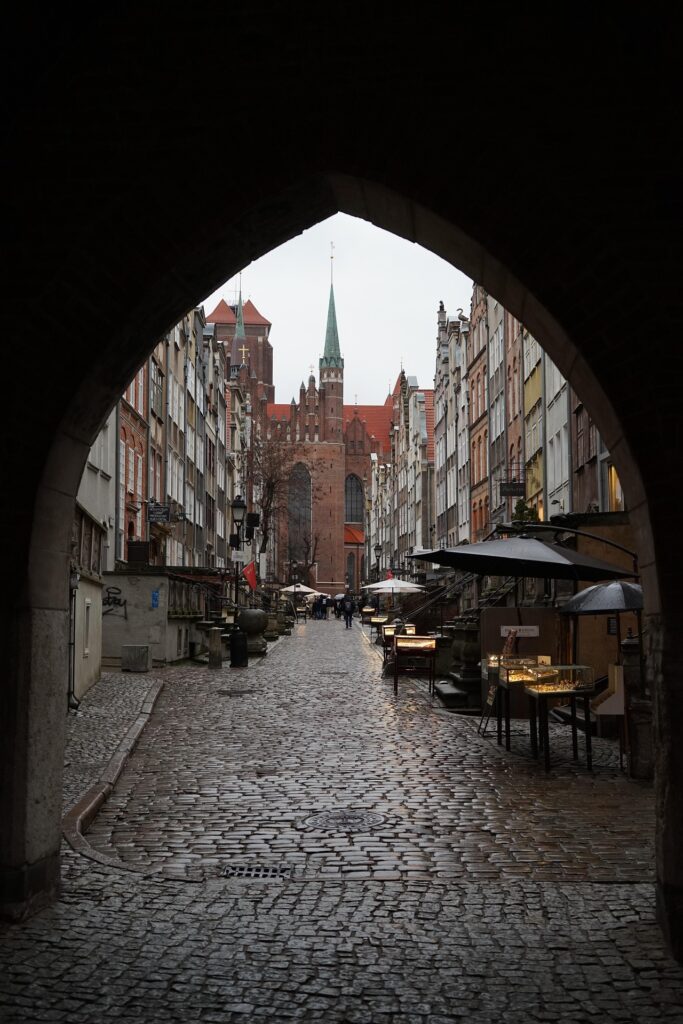
The Baltic coast’s best city – Gdańsk [guh-DANYSK)
Gdańsk sits on the Baltic Sea and has a completely different feel from the southern cities. The waterfront along the Motława River is lined with tall, narrow merchant houses painted in amber, green, and terracotta. For many, it seems similar to Danish or Dutch streets. It was a major Hanseatic trading port, and the architecture reflects centuries of wealth from the amber and grain trades.
What to do in Gdańsk? Visit The European Solidarity Centre (58 PLN / ~$14.50/€13.50/£12) that tells the story of the Solidarity movement and the fall of communism in Poland. It’s housed in a rust-coloured building designed to look like a ship’s hull, right next to the Gdańsk Shipyard where Lech Wałęsa led the 1980 strikes. The Museum of the Second World War (29 PLN / ~$7/€6.80/£6) is also outstanding, and definitely worth visiting.
👉 Local tip: Take the commuter train (SKM) 20 minutes north to Sopot for the beach and the longest wooden pier in Europe. In summer, the whole Trójmiasto (Tri-City: Gdańsk, Sopot, Gdynia) comes alive.
Get salty – Wieliczka Salt Mine (vyeh-LEECH-kah)
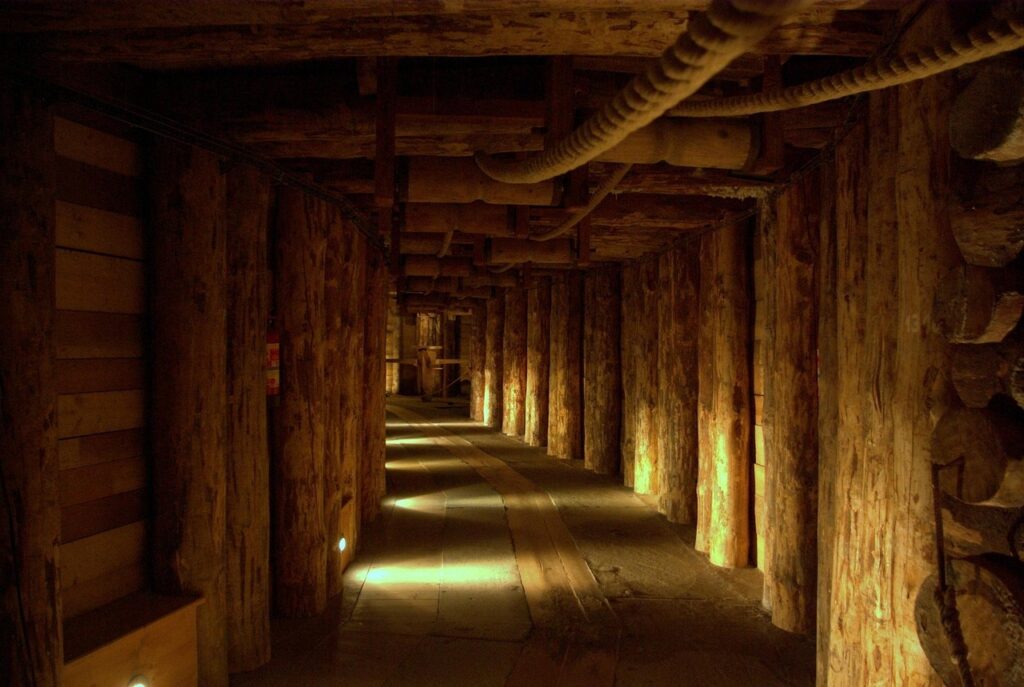
Wieliczka is a 700-year-old salt mine with underground chapels, lakes, and chandeliers carved entirely from rock salt. The Chapel of St. Kinga, 101 meters below ground, is the size of a church and entirely salt-hewn: floor, walls, altar, even the chandeliers.
The Tourist Route tour takes about 2.5 hours and covers 3.5 km at depths up to 135 meters. Tickets are 120 PLN (~$30/€28/£24) for adults. Get there by minibus from Kraków Główny station (4 PLN / ~$1/€1/£0.80, 30 minutes).
👉 Local tip: It’s a constant 14°C (57°F) underground regardless of season. Bring a light jacket even in August.
The one and only Kraków
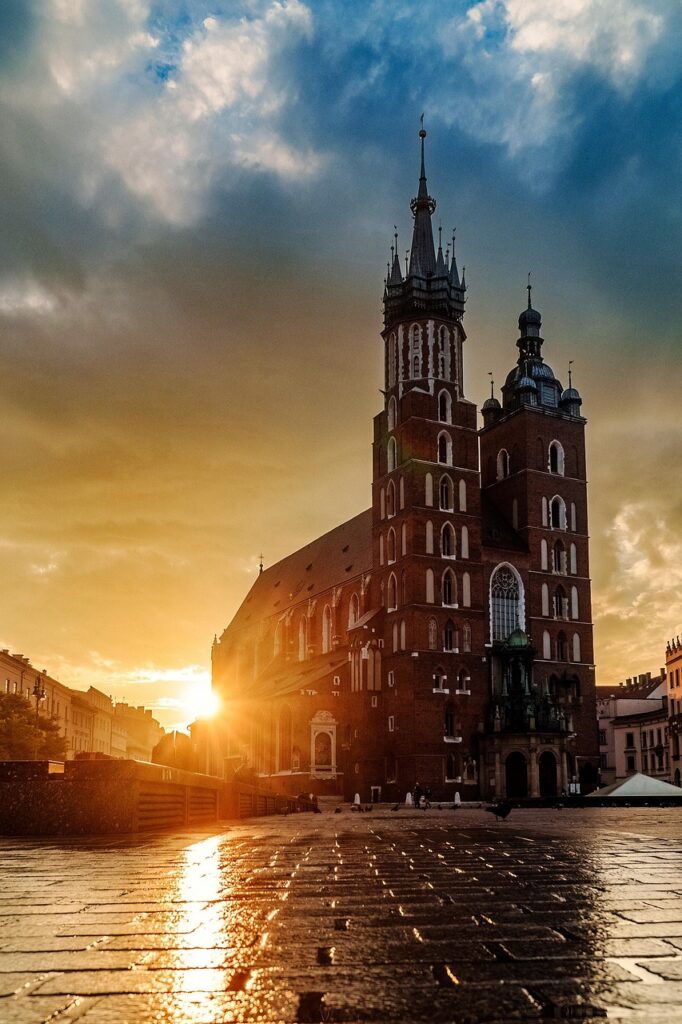
Kraków is the entry point for most visitors, and it earns it. The Main Market Square (Rynek Główny) is the largest medieval square in Europe, and unlike a lot of “old towns” in this part of the world, Kraków’s was never bombed during WWII. What you’re seeing is largely original.
Best things to do in Kraków? Spend time in Kazimierz (kah-ZHEE-mezh), the old Jewish quarter. It was neglected for decades after the war but has turned into the city’s best neighbourhood for restaurants, bars, and street art. Plac Nowy has a food market where you can grab a zapiekanka (an open-faced baguette with mushrooms and cheese) for 12–15 PLN (~$3/€3/£2.50).
Wawel Castle sits on a limestone hill above the Vistula River. The State Rooms and Crown Treasury are worth the entry fee (30 PLN / ~$7.50/€7/£6 each), but buy tickets online early in the day because they cap daily visitors per exhibition.
👉 Local tip: Skip the horse-drawn carriage rides around the square. They’re overpriced, and the horses look miserable in summer. Walk fifteen minutes south to Kraków’s Podgórze district instead, where Oscar Schindler’s factory is now a superb WWII museum (entry 32 PLN / ~$8/€7.50/£6.50).
Medieval vibes in the Malbork Castle
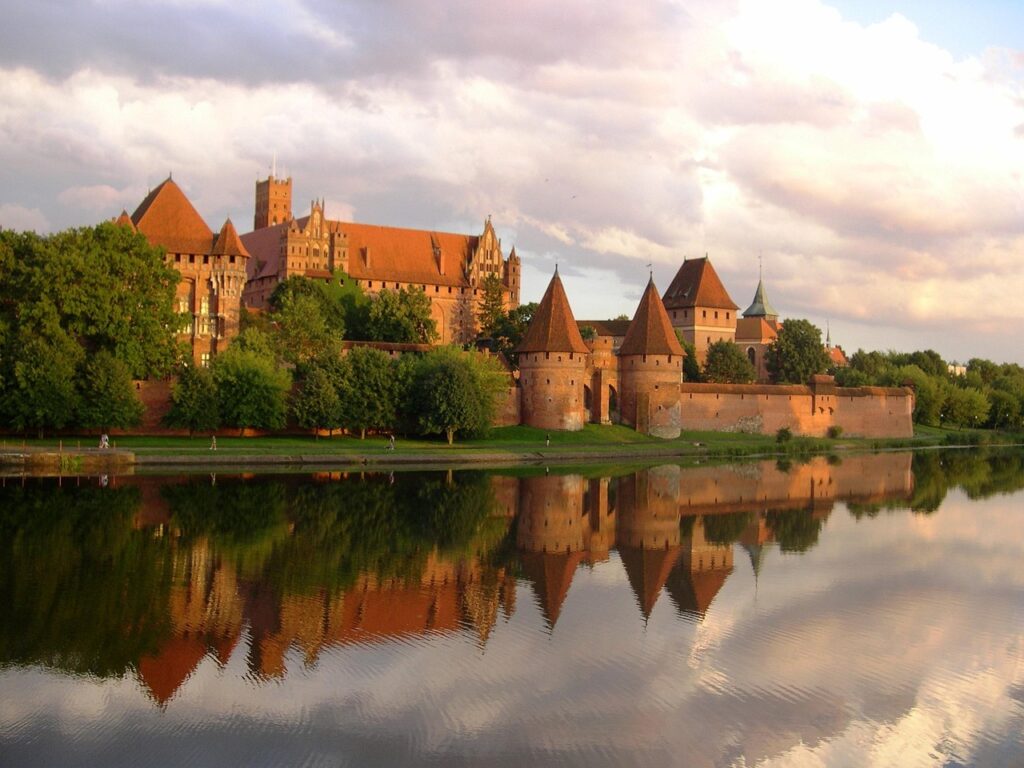
The largest castle in the world by surface area, Malbork was the headquarters of the Teutonic Knights and it looks exactly like the medieval fortress you’re imagining. The castle complex covers 21 hectares of red brick and sits on the Nogat River. A full visit takes 3–4 hours. Tickets are 50 PLN (~$12.50/€11.70/£10) for adults. It’s a 30-minute train from Gdańsk (around 20 PLN / ~$5/€4.70/£4).
The real forest – Białowieża (byah-wo-VYEH-zhah)
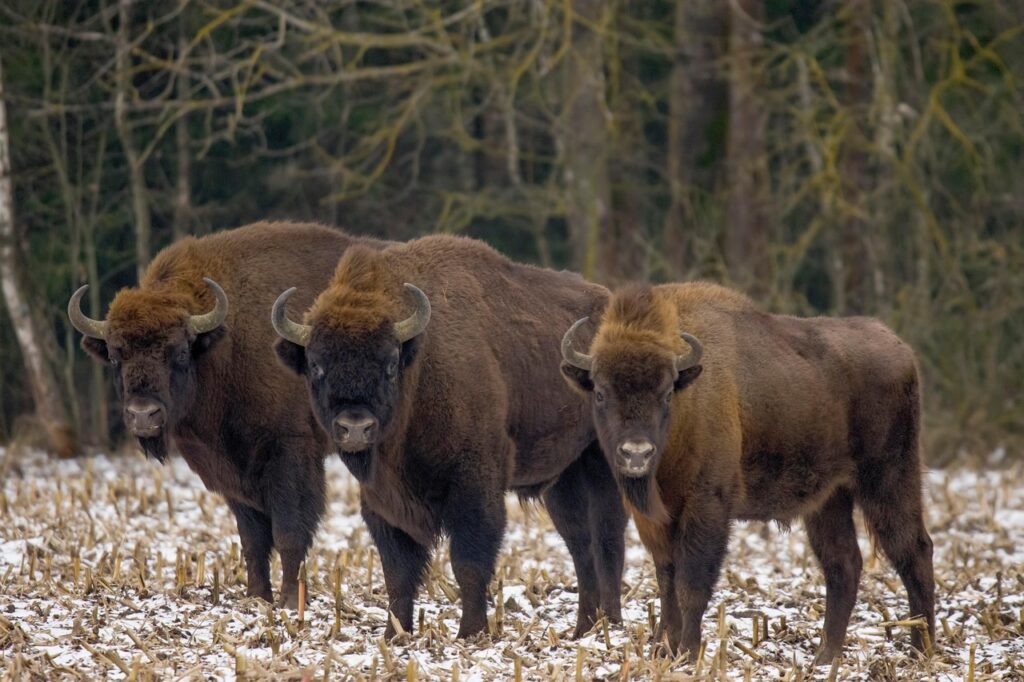
This is one of the last remaining patches of primeval forest in Europe. Parts of it haven’t been logged in centuries, and it’s home to around 800 European bison, the continent’s heaviest land animal. You can’t enter the strict reserve without a guide (book through the National Park office in Białowieża village, around 50 PLN / ~$12.50/€11.70/£10 per person).
Getting here takes effort. It’s in Poland’s far northeast, about 4 hours by car from Warsaw. But if you care about nature, it’s worth the detour. The bison reserve (a separate, fenced area) is easier to access and practically guarantees a sighting.
The city that rebuilt itself – Warszawa (var-SHAH-vah)
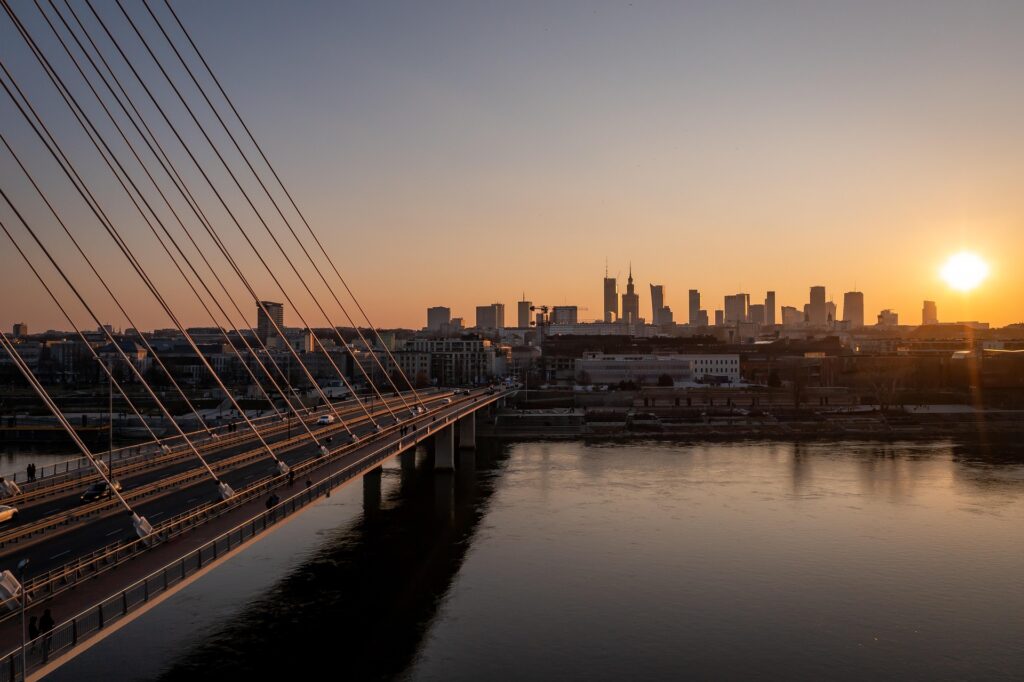
Warsaw is not as immediately pretty as Kraków. That’s because the Nazis destroyed 85% of it in 1944, and what you see in the Old Town is a painstaking postwar reconstruction. Knowing that context makes walking through it a different experience. UNESCO listed it not for its age, but for the act of rebuilding itself.
Today, it is a mix of historical and modern architecture. The unique Warsaw skyline is a source of pride for Varsowians. One of the skyliner building it is the Varso Tower, the biggest tower in Europe. You can get on their terrace to watch the landscape of Warsaw.
The Warsaw Uprising Museum is one of the best war museums in Europe. It covers the 63-day 1944 uprising through audio recordings, film footage, and a replica sewer tunnel you can walk through. Entry is 30 PLN (~$7.50/€7/£6). Closed Tuesdays.
Łazienki Park (wah-ZHYEN-kee) is enormous and free. The Palace on the Isle hosts free Chopin concerts on Sunday afternoons in summer, right by the pond. Get there early if you want a bench.
Check our full guide on what to see in Warsaw!
👉 Local tip: Warsaw’s food scene has exploded in recent years. Hala Koszyki is a renovated market hall with a dozen restaurants under one roof. Budget 50–80 PLN (~$12–20/€11–19/£10–16) per person for a solid meal with a drink.
Drink Polish craft beer
Poland’s craft beer scene has exploded since around 2015. Some of the worth-trying breweries are renowned ones such as Browar Stu Mostów (from Wrocław), Funky Fluid (try their gelato beers, which taste like a bowl of fruit and cake!), PINTA, Nepomucen, and Browar Trzech Kumpli. Most cities have dedicated craft beer bars with 15–20 taps pouring local IPAs, stouts, and Baltic porters. A pint runs 14–22 PLN (~$3.50–5.50/€3.30–5.15/£3–4.50).
Spa time in Kłodzko (KWOTS-koh) Valley
A cluster of spa towns in Lower Silesia with thermal baths, hilltop fortresses, and the eerie Chapel of Skulls in Czermna. You can find many luxurious hotels and wellness centres there with breathtaking views and relaxing spa treatments. One of them is even located in a Castle.
Eat the Polish croissants in the met city – Poznań (POZ-nahn)
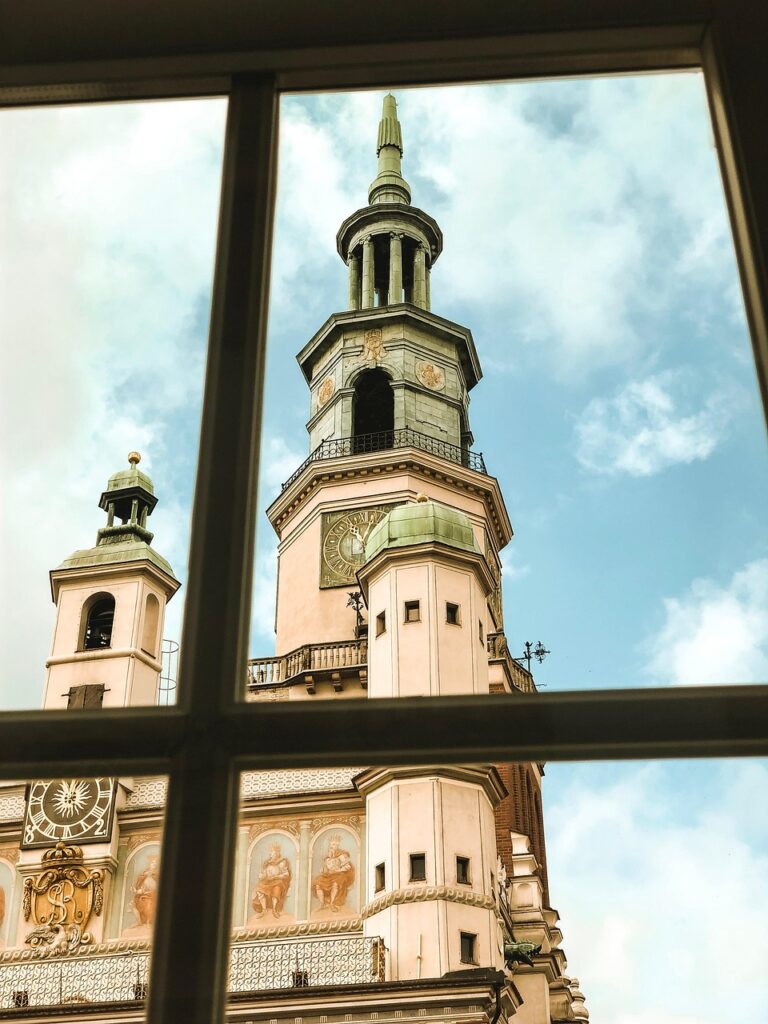
Translating the name of the city directly to English, you will get a „met” city. Poznań is a city in western Poland, midway between Warsaw and Berlin. So what are the things to do in Poznań? One of the biggest Polish cities has a lot to offer for the visitors – charming streets of the old town(Poznań was founded in 1253, and it is also one of the oldest Polish cities), a unique mixture of modernistic and historical architecture, and, of course, St.Martin croissants(rogale świętomarcińskie). Those local treasures are flaky pastries filled with white poppy seed, almonds, and covered in icing, garnished with walnuts. Typically eaten by locals around St.Martin’s and Poland’s Independence Day on November 11, but can be found all year round in the tourist areas in Poznań.
The painted village – Zalipie
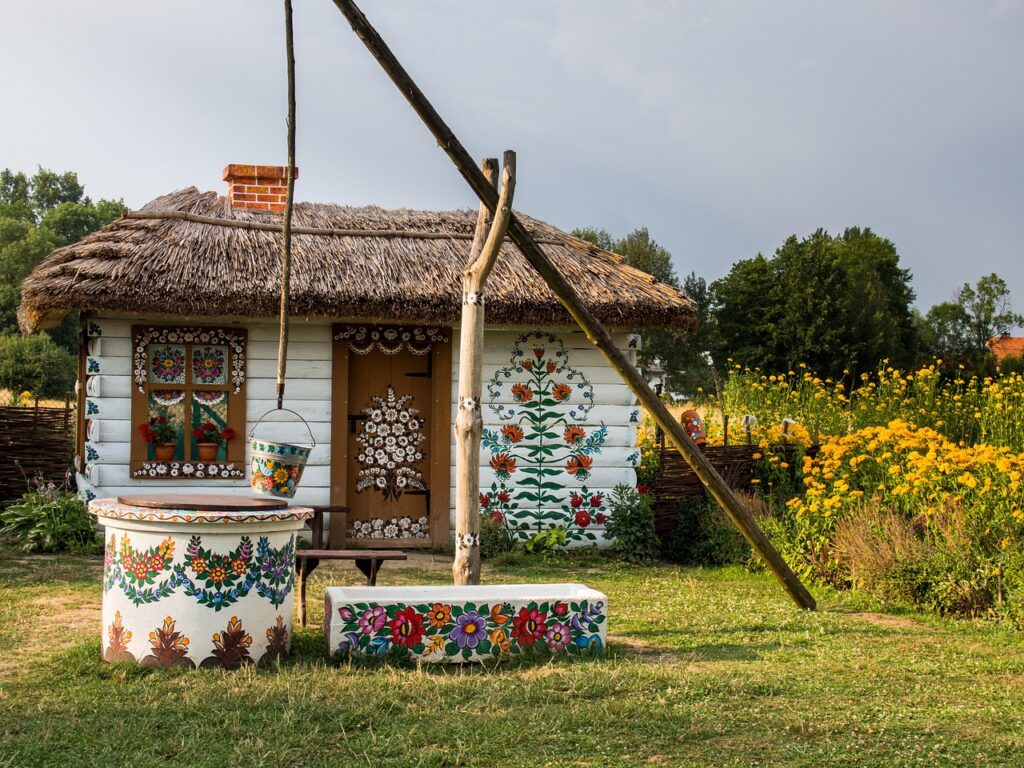
A tiny village in southeastern Poland where the houses, barns, bridges, and even the well are covered in hand-painted floral patterns. The tradition started in the 19th century and continues today with an annual painting competition each June. It’s about 90 km east of Kraków and requires a car or an organised tour to reach easily, but it is definitely worth discovering the local culture.
Hike the Dunajec River Gorge on a Wooden Raft
In the Pieniny Mountains near the Slovak border, local highlanders (flisacy) raft tourists through a limestone gorge on traditional wooden boats. The 18 km trip takes about 2.5 hours and costs 80 PLN (~$20/€19/£16). It operates from April to October and the scenery is spectacular without needing to hike.
Gingerbreads, astronomy, and the Gothic old town – main Toruń’s attractions (TOH-roon)
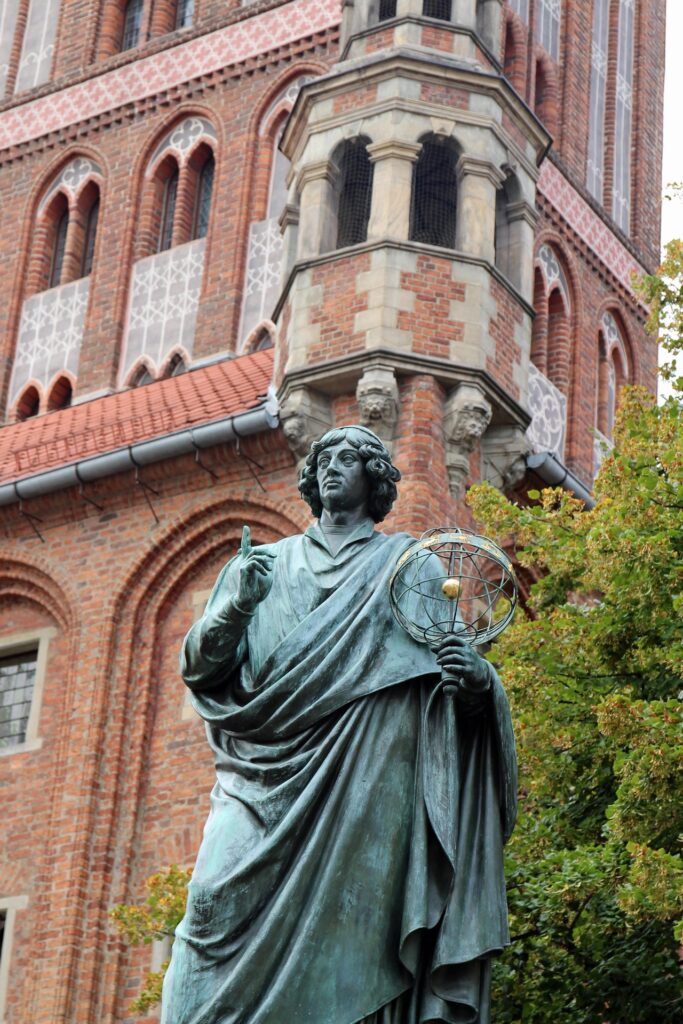
Toruń has been baking gingerbread since the 14th century. The Gingerbread Museum lets you make your own using medieval moulds and recipes (admission around 18 PLN / ~$4.50/€4.20/£3.60). Toruń is also Copernicus’s birthplace and has a well-preserved Gothic old town that sees a fraction of the visitors Kraków does.
Visit the Crooked Forest (Krzywy Las) near Gryfino
About 400 pine trees here are bent at 90 degrees near the base, all curving northward. Nobody is entirely sure why. The leading theory involves deliberate manipulation by foresters in the 1930s, possibly to grow curved timber for boat hulls. But it’s never been confirmed, and walking through the grove is genuinely eerie. It’s free to visit and sits just outside Gryfino (grih-FEE-noh) in western Poland, near Szczecin.
Eat Pierogi (the Real Ones)
First of all, they are pierogi, not pierogies! Remember, cause it is a big red flag for poles. Anyway, as you probably already know, pierogi are a must-eat in Poland. A good plate of pierogi ruskie/ukraińskie (potato and farmer’s cheese) should cost 20–30 PLN (~$5–7.50/€4.70–7/£4–6) at a proper milk bar (bar mleczny), which is a subsidised canteen left over from the communist era. Most cities still have them. In Kraków, try Bar Mleczny Krakus on Sw. Gertrudy. While visiting Warsaw, Bar Mleczny Bambino is a local institution. If not, a lot of Polish high-end restaurants also serve them, like A nóż widelec in Poznań, or Młoda Polska bistro in Wrocław.
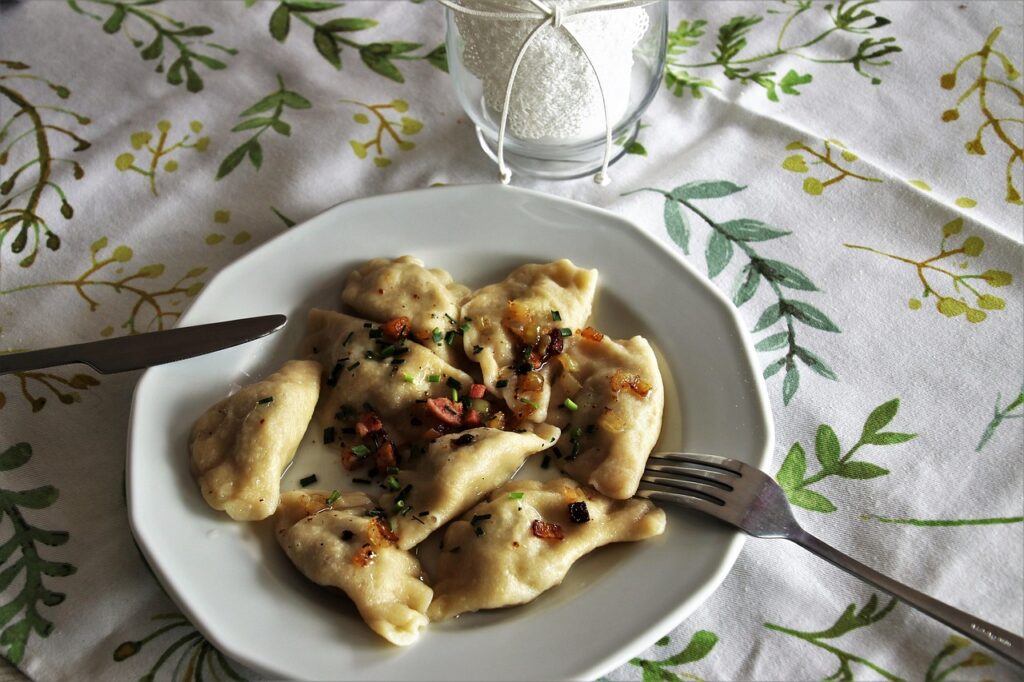
Beyond pierogi, don’t miss: bigos (hunter’s stew with sauerkraut and various meats), żurek (a sour rye soup often served in a bread bowl), and placki ziemniaczane (crispy potato pancakes). Polish food is heavy, filling, and built for cold weather. Perfect comfort meal.
Swim in the lake(s) – Masurian lake district, Mazury (Mah-ZOO-rih)
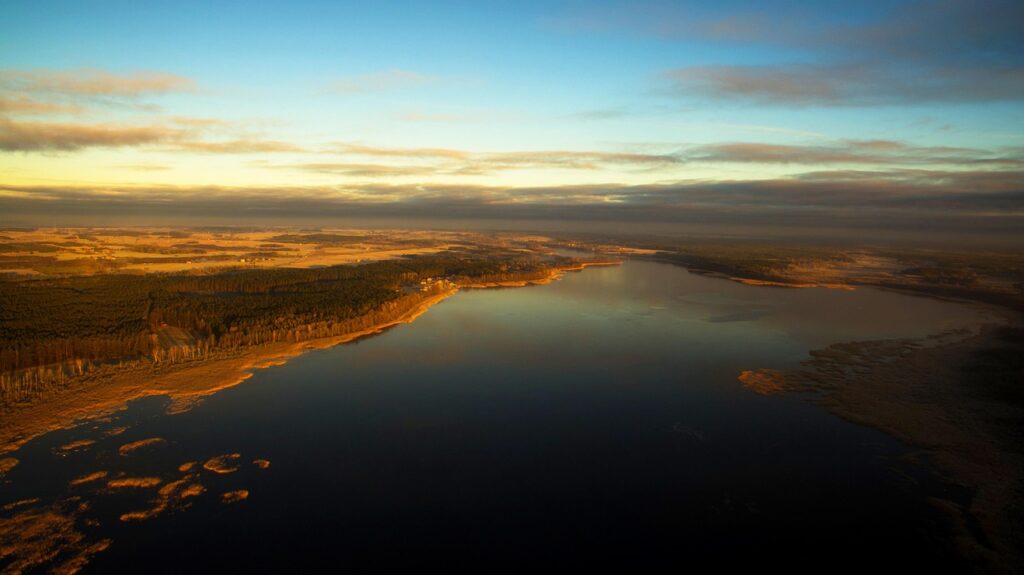
Mazury is Poland’s lake country: over 2,000 lakes connected by rivers and canals in the northeast. It’s where a lot of Polish families go on holiday in July and August. The main activities are sailing, kayaking, and doing absolutely nothing on a lakeshore. Mikołajki and Giżycko are the main resort towns.
You can rent a kayak for around 80–120 PLN (~$20–30/€19–28/£16–24) per day, or book a sailing boat if you have a license. The Krutyń River kayak trail is one of the best multi-day paddling routes in Europe.
Go shopping in a boat, or rather Łódź (WOODGE)
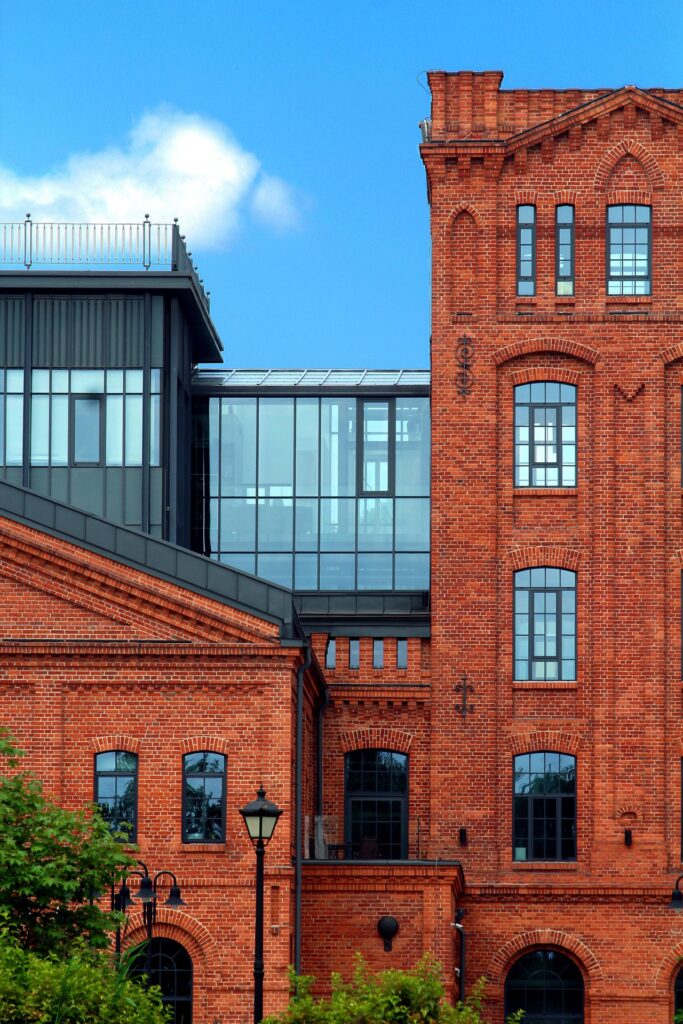
We, Poles, love funny and characteristic city names. That’s why this central city on the map of our country is called in Polish „boat” – Łódź. Poland’s third-largest city has reinvented itself around Manufaktura, a converted 19th-century textile factory that’s now a shopping, dining, and museum complex. The city’s street art scene is also one of the best in Europe(check the Mirrors Street/Pasaż Róży). Pretty close here from Warsaw, you can get there from Poland’s capital in 40 minutes by train.
Find the Witcher in the Ogrodzieniec Castle (o-GROTSYE-niy)
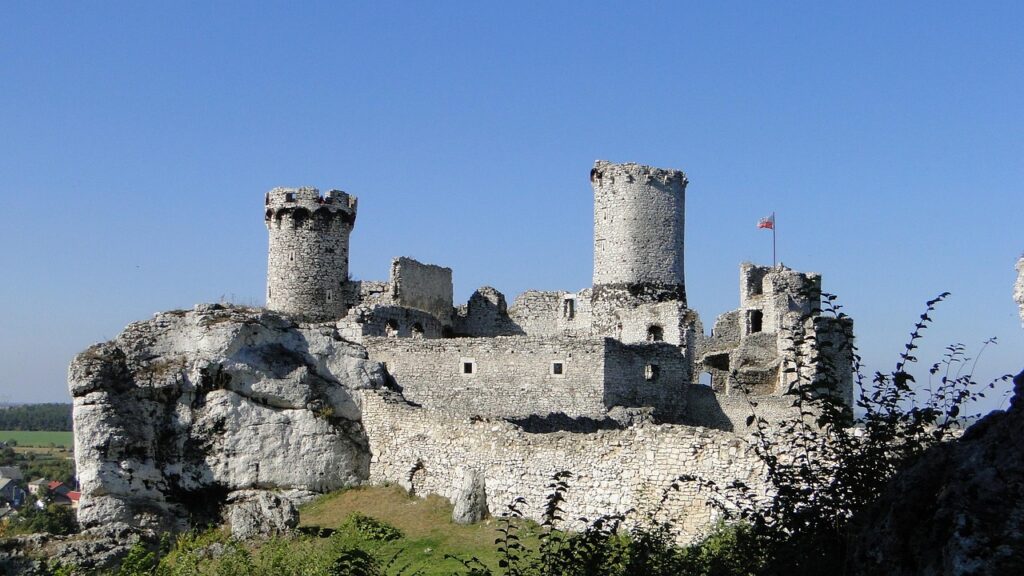
If you would like to follow Henry Cavill’s traces as a Witcher, you should definitely add Ogrodzieniec castle to your Poland’s bucket list. The castle from the TV series “The Witcher” (Netflix, Season 1) is the ruins of Ogrodzieniec Castle in Podzamcze (Silesian Voivodeship), which served as the setting for the atmospheric Sodden Fortress in the final battle.
This picturesque stronghold in the Kraków-Częstochowa Upland was digitally modified for the series, but it is open to visitors and is a popular tourist attraction. Impressive ruins of a 14th-century castle, destroyed in the 18th century, located on the highest hill in the Jura Krakowsko-Częstochowska.
Is Poland worth visiting?
Yes, and it’s one of the best-value destinations in Europe right now. Accommodation is affordable: a clean, well-located hotel room in Kraków or Wrocław goes for 250–450 PLN ($62–112) per night. Trains between major cities rarely exceed 100 PLN ($25).
The trade-offs are real. November through March (outside of ski season) is cold, grey, and short on daylight. Some rural areas have limited public transport. And Poland’s current politics can be divisive, though as a tourist, you’re unlikely to encounter this directly.
If you’re choosing between Poland and another European destination, here’s my honest take: it won’t give you the Mediterranean food and weather of Italy, or the beaches of Spain. What it will give you is the history, architecture, and food culture of a country that’s been at the crossroads of Europe for a thousand years, at prices that let you actually enjoy it without watching your wallet.
How to plan your Poland itinerary?
One week: Kraków (3 nights, including day trips to Auschwitz and Wieliczka) + Warsaw (2–3 nights). This covers the essentials.
Two weeks: Add Gdańsk (2–3 nights), Wrocław (2 nights), and either the Tatras or Masuria, depending on whether you prefer mountains or lakes.
Three weeks+: Layer in Toruń, Łódź or Poznań, Białowieża, or the Baltic coast. At this point, you’re seeing a side of Poland that 90% of foreign visitors never reach.
Trains connect all major cities affordably. Book intercity routes at intercity.pl (available in English). For smaller towns, FlixBus, PKS, or a rental car gives you more flexibility.
FAQ
Poland’s best experiences range from exploring medieval cities like Kraków and Gdańsk, to hiking the Tatra Mountains, descending into the Wieliczka Salt Mine, kayaking the Masurian Lakes, and eating your weight in pierogi at a communist-era milk bar. The country is also home to offbeat attractions like the Crooked Forest and the painted village of Zalipie.
Internationally, Poland is known for its WWII history (particularly Auschwitz-Birkenau), its food (pierogi, bigos, vodka), and cities like Kraków and Warsaw. Among travelers who’ve been, the Tatra Mountains, the Baltic coast around Gdańsk, and the country’s affordability compared to Western Europe are frequent highlights.
Remove your shoes when entering polish homes. Don’t call Poland “Eastern Europe,” and don’t forget to validate trams and bus train tickets after boarding. Most shops are closed on Sundays, so plan grocery runs for Saturday. And the most important one – don’t say Auschwitz-Birkenau is a „polish death camp”, it was a German extermination camp in occupied Poland during WWII.
A week covers Kraków and Warsaw well, including day trips. Two weeks lets you add Gdańsk, Wrocław, and the mountains or lake district. Three weeks is ideal if you want to explore smaller towns and the Baltic coast without rushing.