Kraków is the city that makes people rethink Poland. Most visitors arrive expecting a quick stop on a wider European trip and leave wondering why they didn’t give the country two weeks instead. The Old Town survived WWII intact, which is rare for a Central European city of this size, and what you’re walking through isn’t a reconstruction—it’s the real thing, largely unchanged since the 14th century.
I grew up visiting Kraków and I’ve watched the city change. The craft beer scene didn’t exist ten years ago. Kazimierz was still rough around the edges. The food options beyond pierogi and żurek were limited. Today, Kraków has Michelin-recognised restaurants alongside 8 PLN obwarzanki from street carts, jazz clubs that run past 2am on a Tuesday, and a café culture that rivals Vienna’s—at a quarter of the price.
This guide covers the best things to do in Kraków, from the big-ticket sights to the neighbourhoods and experiences that most travel guides ignore. I’ve included current 2026 prices in PLN with conversions, transport directions, and honest opinions about what’s worth your time and what you can skip. Let’s get into it.

Table of Contents
The Old Town: Where everything starts
1. Main Market Square (Rynek Główny)
The Main Market Square is the largest medieval town square in Europe, and it doesn’t feel like a museum piece. Locals still cut through it on their way to work, pigeons still own the corners, and the flower sellers still set up before dawn. The Cloth Hall (Sukiennice) runs down the centre—it’s been a trading hall since the Renaissance and still operates as one, though what’s sold has shifted from textiles to amber jewellery and wooden boxes. The upper floor houses a gallery of 19th-century Polish painting (entry 20 PLN / ~$5/€4.70/£4) that most tourists walk straight past.
St. Mary’s Basilica (Kościół Mariacki) dominates the square’s northeast corner. The main draw inside is the Veit Stoss altarpiece, a 13-metre-tall carved wooden triptych that took twelve years to complete in the 15th century. Entry to the church interior is 15 PLN (~$3.75/€3.50/£3). Every hour, a trumpet call (hejnał) plays from the taller tower, cutting off abruptly mid-melody—a tradition that commemorates a watchman supposedly shot through the throat by a Mongol arrow in 1241.
Local tip: The square is at its best before 9am, when the tour groups haven’t arrived yet and the light hits St. Mary’s from the east. If you’re an early riser, grab a coffee from one of the side-street cafés on Floriańska and walk the square nearly empty.
2. Rynek Underground Museum
Underneath the Main Market Square, archaeological excavations uncovered the remains of medieval Kraków—cobblestone roads, market stalls, a cemetery, and goods from trade routes stretching to the Middle East. The Rynek Underground museum lets you walk through all of it below street level. It’s genuinely well done: the multimedia installations are informative without being cheesy, and you get a real sense of what the city looked like 700 years ago. Entry is 28 PLN (~$7/€6.60/£5.70). Book online because daily visitor numbers are capped.
3. Floriańska Gate and the Barbican
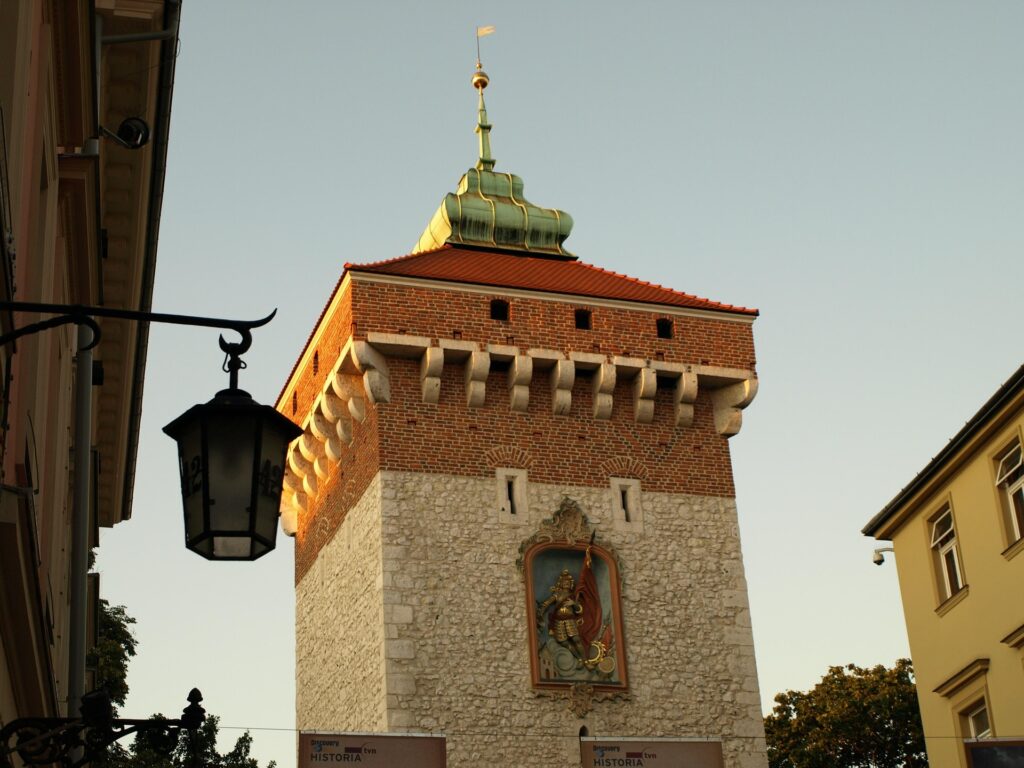
Floriańska Street runs north from the square to the medieval city gate and the Barbican, a circular fortified outpost built in 1498. Most of Kraków’s city walls were torn down in the 19th century to create the Planty park ring, but this stretch survived. You can walk through the Barbican in summer for 12 PLN (~$3/€2.80/£2.45), though the views from the outside are honestly just as good. The real appeal of Floriańska Street is the walk itself: it’s the old Royal Road that Polish kings used for their coronation processions from the north gate to Wawel Castle.
Wawel Hill: Castle, cathedral, and a fire-breathing dragon
4. Wawel Royal Castle
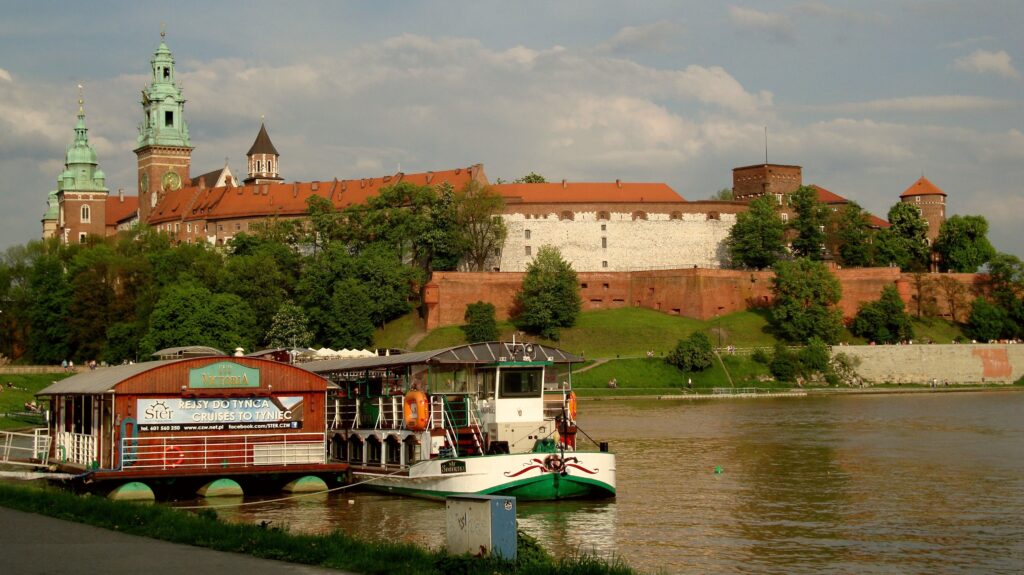
Wawel sits on a limestone hill above a bend in the Vistula River, and for centuries it was the political and spiritual centre of Poland. The castle complex is large and ticketed by exhibition—you don’t buy one ticket for the whole thing. As of early 2026, the Castle First Floor (Royal Private Apartments, Porcelain Cabinet) costs 95 PLN (~$24/€22/£19) for adults. The Second Floor (State Rooms, Ottoman Turkish Tents) is priced the same. Underground exhibitions run 47 PLN (~$12/€11/£9.60). A combined “Wawel for Enthusiasts” ticket covering everything goes for 199 PLN (~$50/€47/£41), but that’s a solid half-day commitment.
If you’re picking one or two, the State Rooms on the second floor are the highlight—particularly the collection of Flemish tapestries commissioned by King Sigismund Augustus in the 16th century. There are 138 of them, and they’re considered one of the finest collections of Renaissance textiles in Europe. The Crown Treasury is smaller but has some remarkable pieces, including the Szczerbiec, the coronation sword used from 1320 onward.
Local tip: Selected exhibitions offer free admission on Mondays, but the number of free tickets is limited and they go fast—arrive early or book through the official site at wawel.krakow.pl. Also note that on Mondays only certain exhibitions are open, not all of them.
5. Wawel Cathedral
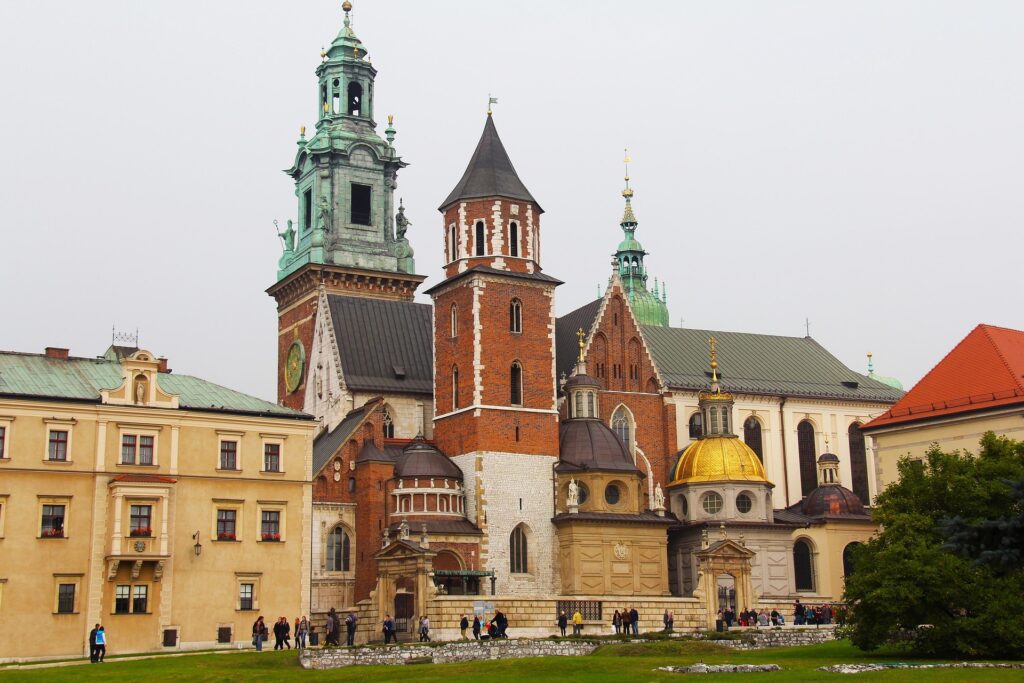
The cathedral sits within the castle complex and is free to enter (the main nave, at least). This is where Polish kings were crowned and buried for 500 years. The interior is a layered accumulation of centuries: Gothic chapels sit next to Baroque additions, Renaissance tombs compete for attention with medieval stonework. The Sigismund Chapel, capped with a gilded dome visible from across the city, is considered the finest example of Italian Renaissance architecture north of the Alps. The Royal Crypts below hold the tombs of monarchs, national heroes, and two 20th-century presidents. Entry to the crypts, the bell tower, and the museum is 18 PLN (~$4.50/€4.25/£3.70). The Sigismund Bell at the top of the tower weighs 11 tonnes and tolling it supposedly brings luck in love—though getting up the narrow wooden stairs to touch it is the actual challenge.
6. The Wawel Dragon (Smok Wawelski)
At the base of Wawel Hill, near the river, a bronze dragon statue breathes actual fire every few minutes. It’s based on a founding legend of Kraków: a dragon terrorised the city until a cobbler’s apprentice named Skuba fed it a lamb stuffed with sulphur, and the dragon drank so much water from the Vistula trying to cool down that it exploded. The statue is free and functions as a selfie magnet, but kids love it and it’s worth five minutes on your way to or from the castle. You can also enter the Dragon’s Den (Smocza Jama), a short cave that exits at the statue, for 7 PLN (~$1.75/€1.65/£1.45).
Kazimierz: The old Jewish quarter (and Kraków’s best neighbourhood)
7. Explore the synagogues and Jewish heritage sites
Kazimierz (kah-ZHEE-mezh) was a separate town founded by King Casimir the Great in 1335 and became the centre of Jewish life in Kraków for over 500 years. Before WWII, roughly 65,000 Jews lived here. The Holocaust reduced that number to almost zero. Today, seven synagogues still stand, and several are open to visitors. The Old Synagogue (Stara Synagoga), the oldest surviving Jewish religious building in Poland, houses a museum of Jewish history and culture (15 PLN / ~$3.75/€3.50/£3). The Remuh Synagogue, still active for services, has an adjacent cemetery with headstones dating to the 16th century.
Walking Kazimierz’s streets with this history in mind changes the experience. The restaurants, bars, and galleries that line Szeroka and Józefa streets exist in buildings that were once Jewish homes, schools, and workshops. It’s gentrification layered over tragedy, and the neighbourhood doesn’t hide from that tension. Several excellent Jewish heritage walking tours operate daily, and I’d recommend taking one early in your visit to Kraków to give context to everything else you see. A handful of restaurants in the area still draw on Jewish culinary heritage—it’s worth seeking them out.
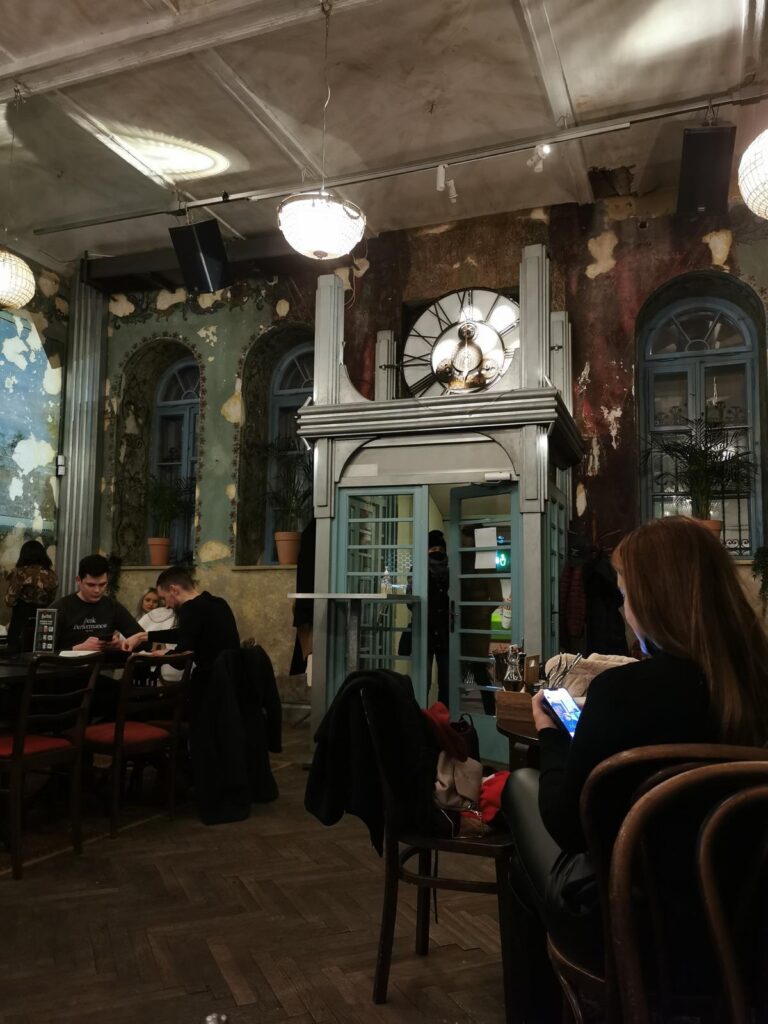
One of our favourite restaurants in Kraków, „Hevre” is based in the old Synagogue bar
8. MOCAK — Museum of Contemporary Art
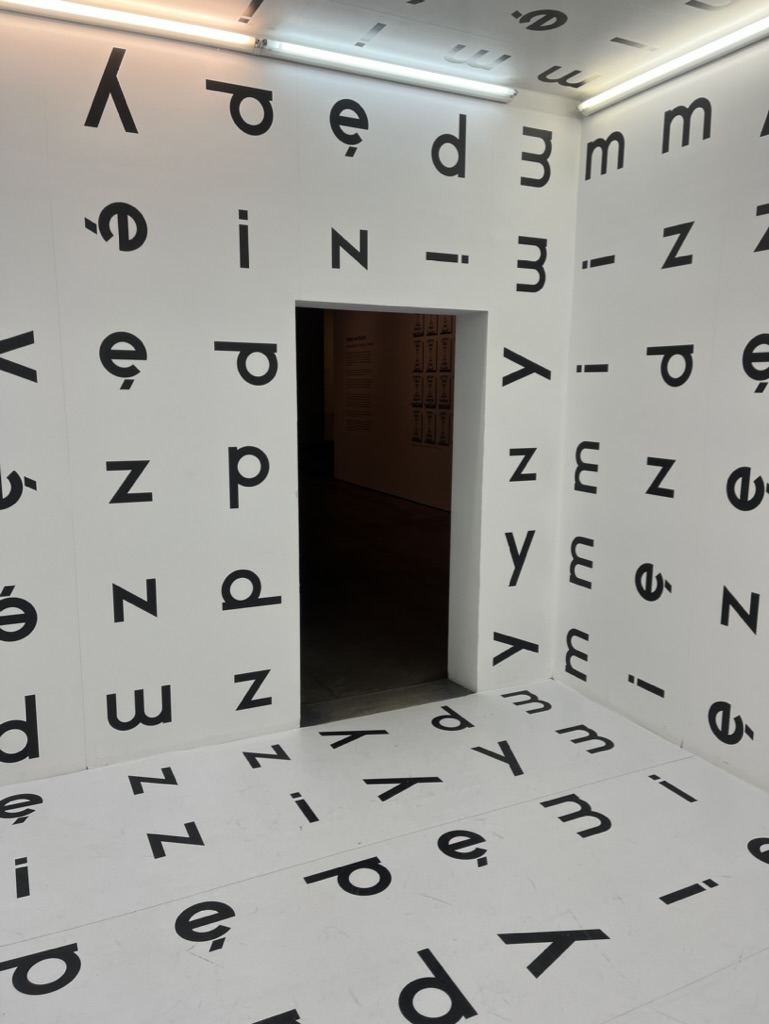
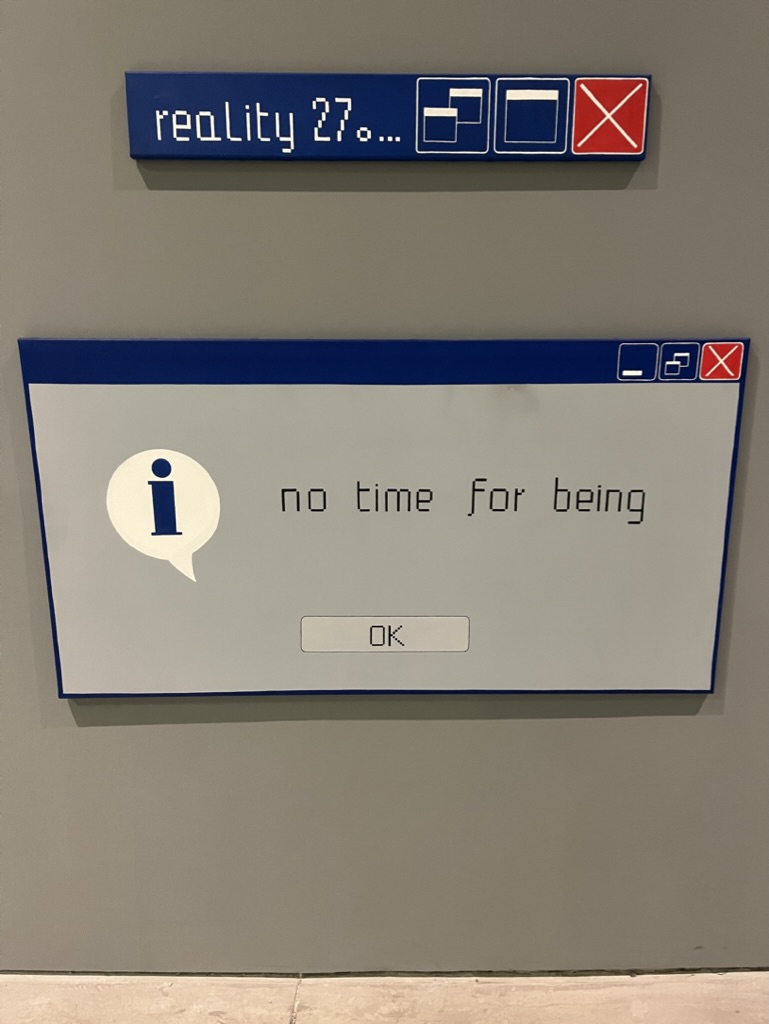
MOCAK sits on the edge of Kazimierz in the Zabłocie district, built on the site of Schindler’s actual factory grounds. The collection rotates frequently and features Polish and international contemporary artists. It’s a good counterweight to all the medieval and WWII content you’ll absorb elsewhere in the city. Free on Tuesdays. Otherwise, 16 PLN (~$4/€3.75/£3.25).
Nowa Huta: The other Kraków
9. Explore Nowa Huta (NOH-vah HOO-tah)
Most visitors to Kraków never leave the Old Town and Kazimierz bubble. That’s a mistake, because 20 minutes east by tram is an entirely different city. Nowa Huta was built from scratch in the late 1940s as a model socialist settlement, designed to house workers for the massive Lenin Steelworks (now ArcelorMittal). The architecture is socialist realism at its most deliberate: wide boulevards radiating from a central square, monumental apartment blocks with arched facades, and a symmetry so precise it looks like it was drawn with a ruler. Because it was.
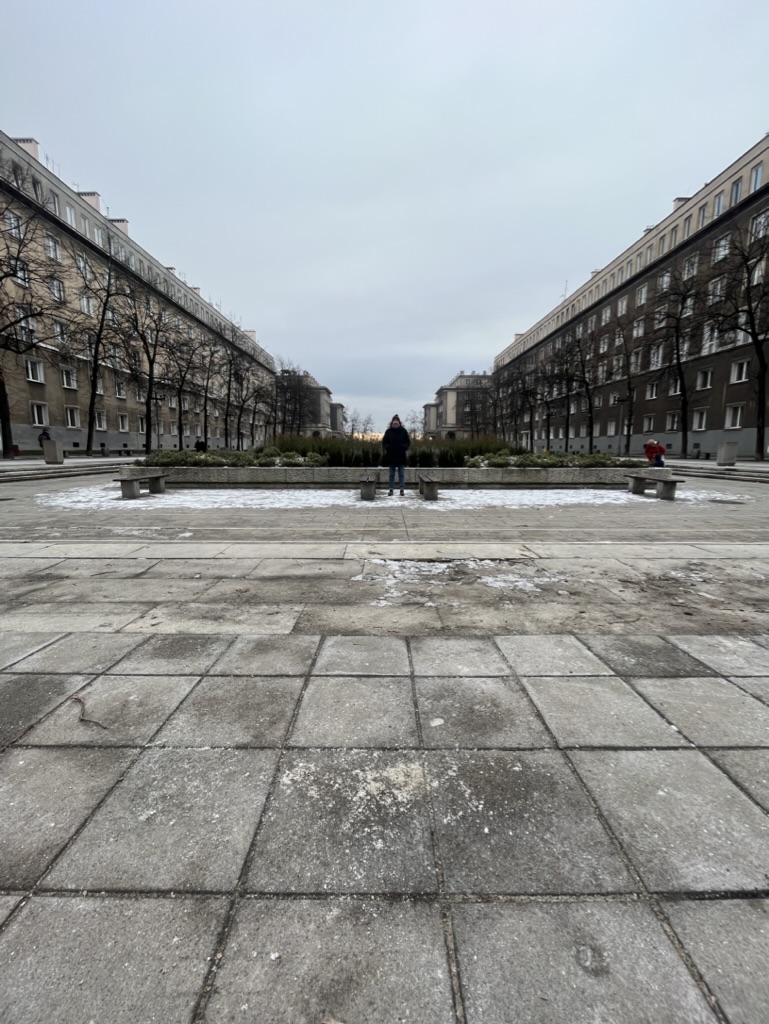
Plac Centralny in winter — the symmetrical boulevards of Nowa Huta’s central square
Plac Centralny is the heart of the district. Stand in the centre and look down any of the radiating avenues: the buildings are identical on both sides, the trees are planted at equal intervals, and the whole layout was engineered to project order and collective purpose. It’s impressive in a way that’s hard to separate from its political intent. The regime built Nowa Huta to be a workers’ paradise without churches, without the old bourgeois city centre, without anything that contradicted the Party’s vision. The residents had other ideas—they fought for years to build a church here, and the Arka Pana (Lord’s Ark Church), completed in 1977, became a symbol of resistance long before Solidarity.
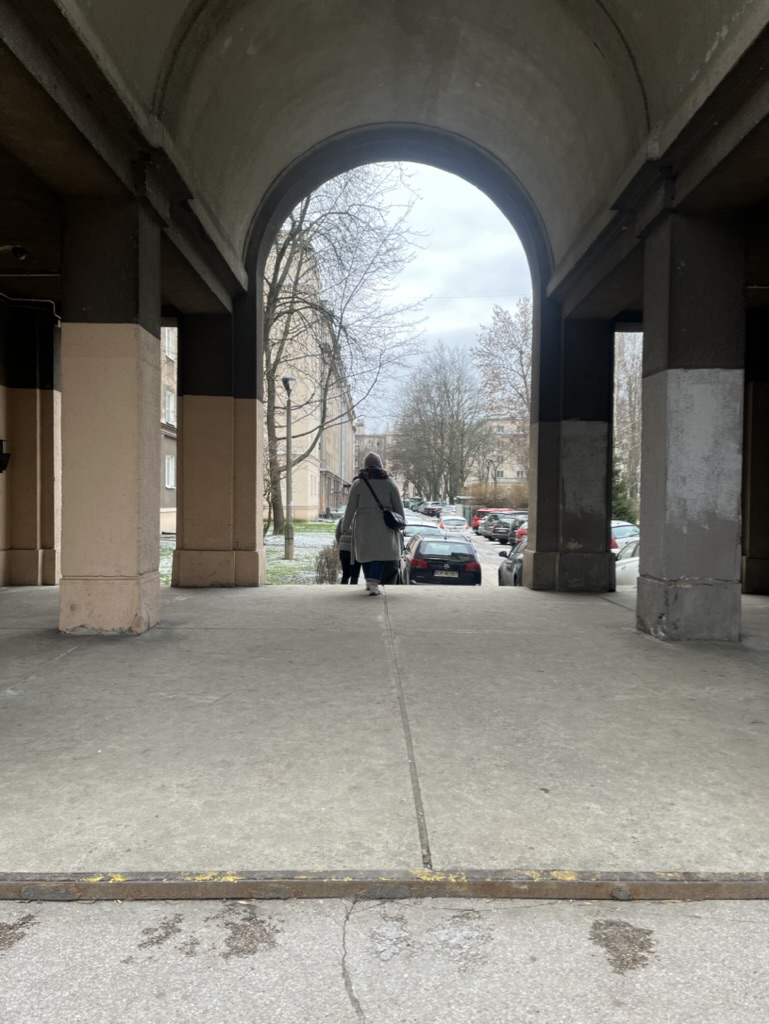
The arched facades along Nowa Huta’s main streets — monumental socialist realist architecture
What makes Nowa Huta worth your time isn’t just the architecture—it’s the everyday life that carries on inside it. The district still feels like a working neighbourhood. Small green vegetable kiosks operate on street corners, the kind that have been there for decades, selling fresh produce to locals who shop daily rather than doing a weekly supermarket run. It’s a part of Kraków that tourism hasn’t reshaped.
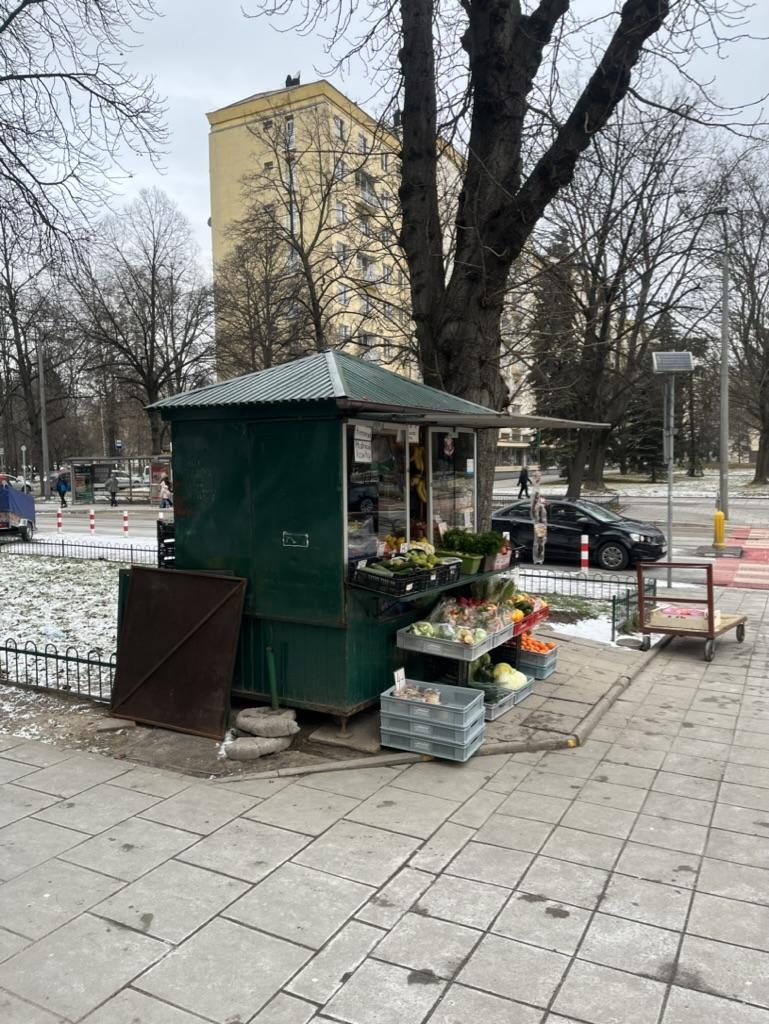
A vegetable kiosk in Nowa Huta — you can still spot old signage from the PRL era on corners like this
You can visit independently (take tram 4 or 22 from the Old Town to Plac Centralny), but a guided tour is worth the money because the context matters enormously. Crazy Guides runs a popular option in a vintage Trabant car that covers the history, architecture, and daily life of the district—expect around 120–180 PLN (~$30–45/€28–42/£24–37) per person. Even without a guide, walking Aleja Róż and the streets radiating from Plac Centralny gives you a tangible sense of communist-era urban planning that no museum in the Old Town can replicate.
The contrast with the Old Town is the whole point. This is a city within a city, built on ideology and steel, and understanding it gives you a much fuller picture of what Kraków has been through in the last century. The Lord’s Ark Church (Arka Pana), built in the 1960s and 1970s after years of conflict between residents and the communist authorities, is worth seeking out—it’s an angular modernist building that looks nothing like a traditional church and everything like an act of defiance.
Local tip: If you go independently, combine it with a visit to Nowa Huta’s Łaźnia Nowa theatre and cultural centre, which hosts art exhibitions, film screenings, and community events. It’s a good window into how the neighbourhood sees itself today—not as a relic, but as a living district with its own identity.
WWII history: What to see in Kraków’s darkest chapter
10. Oskar Schindler’s Enamel Factory
This is not just a museum about Schindler—it’s a museum about Kraków under Nazi occupation from 1939 to 1945. The permanent exhibition walks you through the German invasion, the creation of the ghetto, daily life under occupation, and the resistance, with Schindler’s story woven throughout. Each room is designed to feel like a different space—a barbershop, a train platform, a ghetto street—and the multimedia installations are some of the most effective I’ve seen in any war museum.
Admission is 28 PLN (~$7/€6.60/£5.70) for adults, 24 PLN for students. Free on Mondays, but those free tickets are extremely limited and need to be reserved online in advance. During peak season (June–August), book at least a week ahead regardless. On busy days, ticket-purchase queues can take 60–90 minutes without pre-booking, so online tickets are strongly recommended. The museum is in Podgórze, a 15-minute tram ride from the Old Town. Take tram 3 or 24 to Bohaterów Getta.
Local tip: Don’t expect this to be about the Spielberg film. It’s about the city and its people. If you go in expecting a movie tie-in, you’ll be surprised—pleasantly—by how much broader and more serious the scope is.
11. Ghetto Heroes Square (Plac Bohaterów Getta)
This square in Podgórze was the administrative centre of the Kraków Ghetto during the war. Today, it’s a memorial: 70 oversized empty chairs made of iron and bronze are scattered across the open space, each representing 1,000 people deported from the ghetto. It’s free, open 24 hours, and far more affecting than many formal memorials. At night, when the square is quiet and the chairs cast long shadows, the emptiness of it hits differently.
Across the square, the Eagle Pharmacy (Apteka pod Orłem) was the only pharmacy inside the ghetto walls. Its Polish owner, Tadeusz Pankiewicz, risked his life to provide medicine, smuggle information, and shelter Jews during selections. It’s now a small but powerful museum (15 PLN / ~$3.75/€3.50/£3).
12. The Płaszów concentration camp site
Płaszów was the forced labour camp commanded by Amon Göth, the antagonist of Schindler’s List. Unlike Auschwitz, there’s very little built infrastructure left—the Nazis dismantled most of it as the Soviet army approached. What remains is a hilly green space with memorial stones and information boards. It’s a 20-minute walk southeast from Ghetto Heroes Square. There’s no admission fee and no visitors centre. It’s unsettling precisely because the landscape has partly reclaimed the site, and without a guide or prior knowledge, you might not realise what happened here. A guided walking tour that combines Podgórze, the ghetto, and Płaszów is the best way to visit.
Polish food is worth planning your day around
13. Eat at a milk bar (bar mleczny)
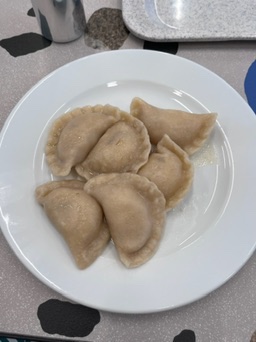
Milk bars are subsidised cafeterias left over from the communist era, and they’re still the cheapest and most authentic way to eat Polish food. The format is simple: queue at a counter, read the menu on the wall (it’ll be in Polish—use Google Translate on your phone), order by pointing or stumbling through, pay, and collect your tray. A plate of pierogi ruskie (potato and farmer’s cheese) runs 18–28 PLN (~$4.50–7/€4.25–6.60/£3.70–5.70). Add a bowl of żurek (sour rye soup served with sausage and hard-boiled egg) for another 14–20 PLN.
In Kraków, Bar Mleczny Krakus on ulica Św. Gertrudy is a solid choice. Bar Mleczny Pod Temidą near the Old Town is another favourite. Don’t expect atmosphere—you eat under fluorescent lights on a plastic tray, and that’s the point. The food is homemade, heavy, and good. The lunch rush (around 12:30–1:30pm) can mean a queue out the door, but it moves fast. Go at 11:30 or after 2pm for a calmer experience.
14. Try obwarzanki from a street cart
Obwarzanki (oh-bvah-ZHAHN-kee) are Kraków’s answer to the bagel—chewy, ring-shaped bread covered in poppy seeds, sesame, salt, or cheese. They’re sold from blue carts on almost every corner of the Old Town, and they cost 3–5 PLN (~$0.75–1.25). They’ve been baked in Kraków since at least 1394—there’s a city ordinance from that year regulating their production. They’re best fresh and warm in the morning. By afternoon, they go stale fast. The poppy seed version is the classic choice, but the cheese ones (with a layer of melted cheese baked onto the top) are worth trying at least once.
15. Eat serious Polish food at a proper restaurant
Beyond milk bars, Kraków has a restaurant scene that’s matured significantly. For traditional Polish food done well, Starka in Kazimierz serves excellent bigos (hunter’s stew), duck, and infused vodkas in a candlelit cellar. Expect to spend 60–90 PLN (~$15–22.50/€14–21/£12–18) per main course. Pod Aniołami on Grodzka, just off the main square, occupies a 13th-century cellar and does a very good roasted shank of pork. It’s tourist-facing but the quality is genuinely high.
For something more modern, Zazie Bistro serves French-Polish fusion in a converted apartment, and Bottiglieria 1881 is the fine dining option if you want a tasting menu (around 350–450 PLN / ~$87–112 per person). The food scene here has depth—you just need to walk a few blocks away from the main square to find it.
Local tip: Avoid restaurants with pictures on the menu right on the main square. Two blocks in any direction, the quality improves dramatically and prices drop by 30–40%.
16. Do a vodka tasting
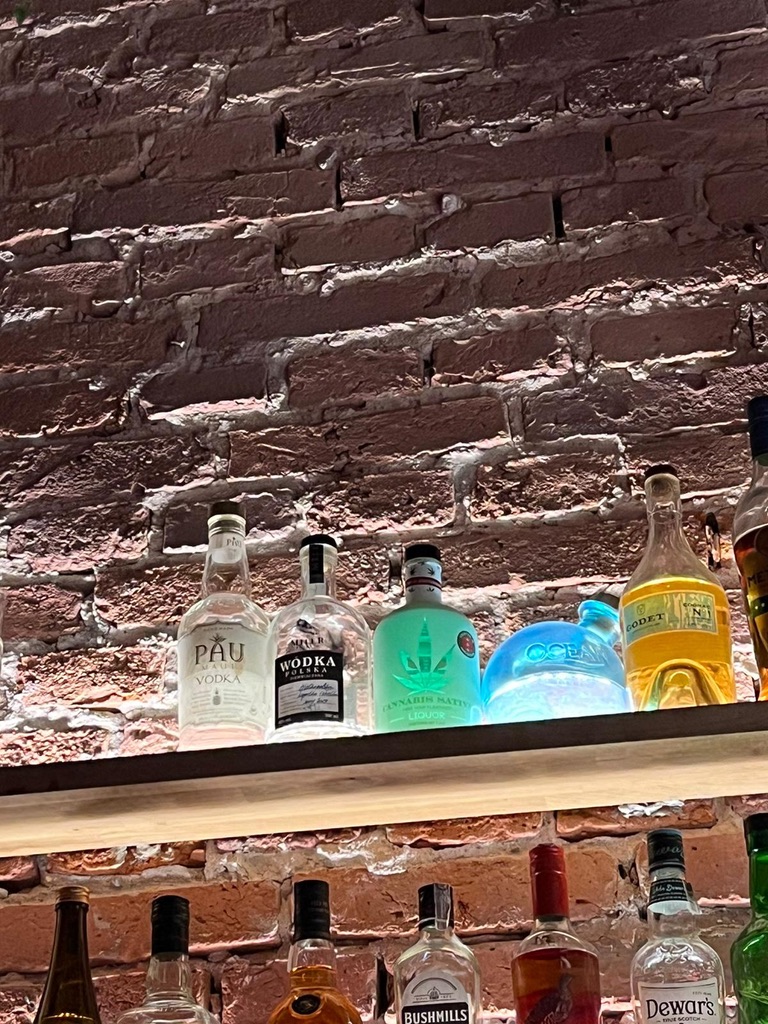
Poland’s vodka tradition goes back to the 15th century, and Kraków is a good place to explore it. Several bars in Kazimierz offer structured tastings that go beyond shots—you’ll learn the difference between potato and grain vodkas, try regional flavours like żubrówka (bison grass vodka from the Białowieża region), and probably end the evening with more opinions about vodka than you started with. A tasting flight typically runs 40–70 PLN (~$10–17.50/€9.40–16.50/£8–14.30) depending on the bar and the number of vodkas included.
17. Drink Polish craft beer
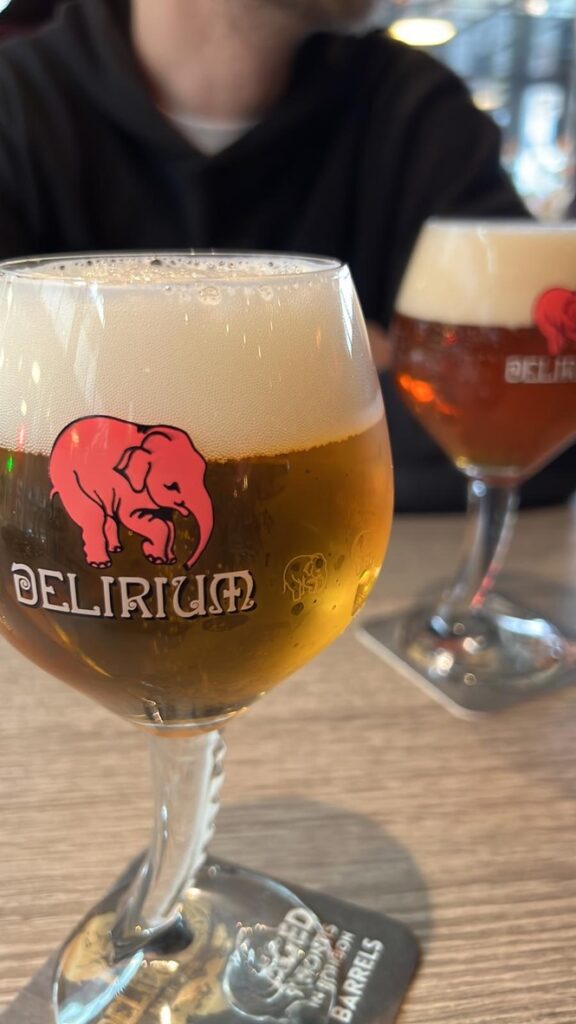
Poland’s craft beer revolution kicked off around 2015 and Kraków is one of the best cities to experience it. Kazimierz and the area around Plac Nowy have the highest concentration of craft beer bars, many with 15–20 taps pouring local IPAs, wheat beers, Baltic porters, and sours from Polish microbreweries. A pint typically costs 14–22 PLN (~$3.50–5.50/€3.30–5.15/£2.85–4.50). That’s roughly a third of what you’d pay in London or New York for comparable quality.
House of Beer (Dom Piwa) on Floriańska has one of the best selections in the Old Town—40+ taps and a knowledgeable staff who can walk you through regional styles. Omerta in Kazimierz is a low-key basement bar with rotating taps and a crowd that’s mostly local. If you’re into Belgian-style beers, look for anything from Browar Stu Mostów (Wrocław-based, but widely available in Kraków). For something heavier, Polish Baltic porters are a style you probably haven’t tried—dark, malty, and stronger than you’d expect at 7–10% ABV.
Local tip: Most craft bars are happy to give you tasters before you commit to a pint. Don’t be shy about asking. Also, happy hour deals (usually 4–7pm) are common and can cut prices nearly in half.
Things to do in Kraków you won’t find on every list
18. Have a beer at Hotel Forum (the ruin that became a landmark)
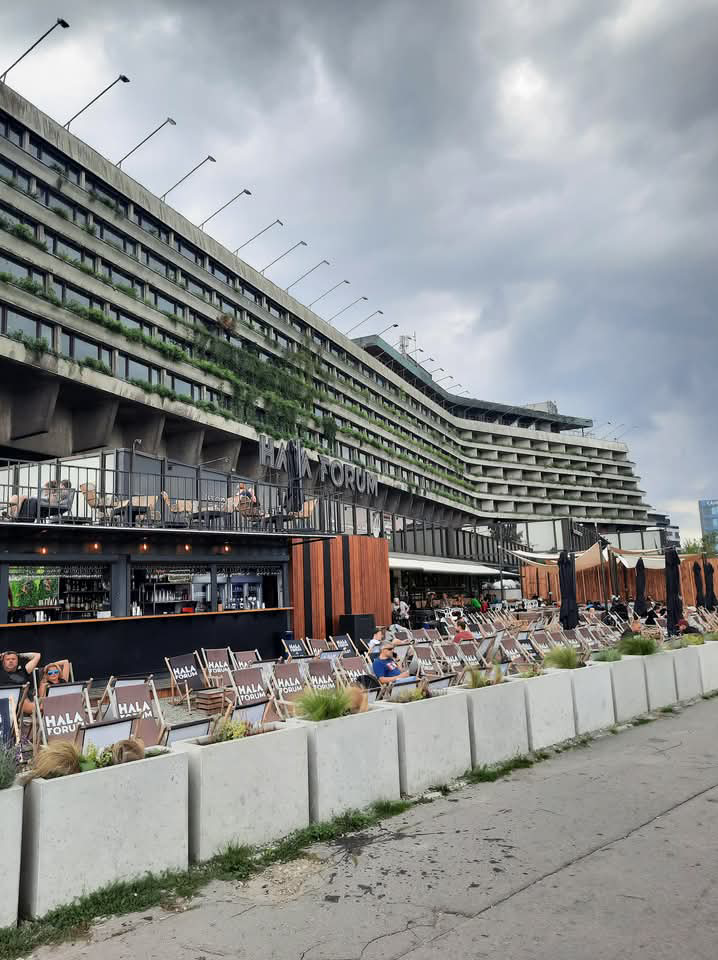
On the Vistula embankment, directly across from Wawel, sits Hotel Forum—a brutalist concrete slab from 1988 that was supposed to be the most modern hotel in Poland. Designed by architect Janusz Ingarden, it was a four-star property with air conditioning, a swimming pool, and computerised reservations—luxuries that were almost unheard of in late-communist Poland. It lasted about twelve years before structural problems shut it down, and the guest rooms have been empty ever since, with trees growing out of the balconies. But the building refuses to die.
The ground floor has been taken over by Forum Przestrzenie, a sprawling bar-and-food-hall setup with hundreds of deck chairs spilling out along the riverbank. It’s one of the best spots in Kraków to drink a cheap beer on a summer evening with Wawel lit up across the water. A panoramic restaurant and bar opened on the top floor, and there’s even a bowling alley in the basement. The area around it has become a whole scene: a Ferris wheel, fairground rides, the Kraków observation balloon, and floating restaurants docked out front. In 2025, the building was officially added to Poland’s register of historic monuments, meaning it can’t be demolished—its future is uncertain, but it’s become more central to Kraków’s social life as a ruin than it ever was as a functioning hotel.
19. Zakrzówek quarry lake
A flooded limestone quarry about 2 km southwest of Wawel, Zakrzówek has turquoise water, rocky cliffs, and a surprisingly Mediterranean feel on a hot day. The city developed it into a proper swimming and recreation area with wooden platforms, changing rooms, and lifeguard stations. It’s free to enter and open in summer. Locals treat it like a beach. Bring a towel, some food, and low expectations for water temperature—it’s spring-fed and cold even in July. The walk from the Old Town takes about 25 minutes and passes through residential streets that feel nothing like the tourist centre, which is part of the appeal.
Local tip: Walk or take a Bolt—there’s limited parking. It gets packed on weekends in July and August. Weekday mornings are the sweet spot.
20. Attend a jazz show
Kraków has one of the strongest jazz scenes in Central Europe, and it’s been that way since the 1950s, when jazz was seen as an act of cultural resistance against the Soviet regime. Harris Piano Jazz Bar, operating since 1991 in a cellar off the main square, hosts live performances nightly. Jazz Club u Muniaka on Floriańska Street is smaller, rougher, and run by a saxophonist who’s been part of the Kraków jazz scene for decades. Cover charges range from free to 40 PLN (~$10/€9.40/£8.15) depending on the night and the act. Most shows start around 9pm. If you’re in town in summer, the Kraków Jazz Festival (usually June or July) brings international acts to venues across the city.
21. Walk the Planty park ring
When Kraków’s medieval walls were demolished in the early 19th century, the moat and fortifications were replaced with a green belt that now encircles the entire Old Town. The Planty is a 4 km loop of tree-lined paths, benches, and small gardens. Walking the full ring takes about 45 minutes without stops and gives you a sense of the Old Town’s footprint. In spring, the chestnut trees bloom and it’s one of the most pleasant urban walks in Poland. It’s also a useful orientation tool—walk the Planty on your first morning and you’ll understand the Old Town’s layout for the rest of your trip.
22. Buy stuff at Stary Kleparz market
This outdoor market has operated near the train station since the Middle Ages. It’s not a tourist market—it’s where locals buy fruit, vegetables, cheese, bread, flowers, and cured meats. If you’re staying in an Airbnb and want to cook, this is your spot. If you’re not cooking, go anyway for the atmosphere and the chance to see a side of Kraków that doesn’t revolve around museums and churches. A wedge of oscypek (smoked sheep’s cheese from the Tatra region) costs 10–15 PLN, and the sellers at the cheese stalls will often let you sample before buying. In autumn, the mushroom sellers arrive with baskets of wild forest mushrooms—borowiki (porcini), kurki (chanterelles)—and the whole market smells like a forest floor. Open daily except Sunday.
23. Cruise the Vistula River
River cruises run from the dock below Wawel Castle during the warmer months (April–October). A basic sightseeing loop lasts about 45 minutes and costs around 45–60 PLN (~$11–15/€10.60–14/£9.20–12.25). It’s not essential, but on a hot afternoon it’s a low-effort way to see the city from a different angle. The Vistula’s banks have been developed with walking and cycling paths, and on summer evenings the embankment fills with people drinking beer, grilling, and watching the sunset behind Wawel. If you’re not up for a boat, just walking the embankment from Wawel south toward Hotel Forum is one of the best free things to do in Kraków on a warm evening.
Practical info: quick reference
|
Detail |
Info |
|
Currency |
PLN (złoty). 1 USD ≈ 4 PLN, 1 EUR ≈ 4.25 PLN, 1 GBP ≈ 4.90 PLN (approx. March 2026) |
|
Visa |
US/UK citizens: visa-free up to 90 days within 180-day Schengen period |
|
Language |
Polish. English widely spoken by under-40s in the city centre; less so in suburbs and villages |
|
Airport |
Kraków John Paul II Airport (KRK), 15 km west of Old Town. Bus 252, train, or Bolt/Uber into the city |
|
Getting around |
Trams and buses (MPK Kraków). Single ticket 6 PLN. Bolt/Uber work well. The Old Town is very walkable |
|
Tipping |
10% in restaurants is standard, not obligatory. Round up for taxis |
|
Tap water |
Safe to drink |
|
Sunday shopping |
Most shops closed on Sundays except Żabka convenience stores. Plan accordingly |
|
Best time to visit |
May–September for general travel. December for Christmas markets. January–March for skiing in the Tatras |
|
Daily budget |
Budget: 200–300 PLN (~$50–75). Mid-range: 400–700 PLN (~$100–175). Luxury: 1,000+ PLN (~$250+) |
|
Clean Transport Zone |
Since 2024, central Kraków restricts older vehicles. If driving a rental car, check emission standards before entering the Old Town zone |
Do’s and don’ts in Kraków
A few things that’ll save you from minor embarrassment or wasted time. Take your shoes off when entering someone’s home. Don’t refer to Poland as “Eastern Europe”—Poles consider themselves Central European, and they’re geographically correct. Drinking alcohol in public spaces is illegal and police do enforce it, especially in the Old Town and Planty park. Carry your passport or a copy; technically you’re required to have ID on you at all times.
Poles are direct communicators. If your waiter doesn’t smile at you, it’s not rudeness—it’s just a different service culture. The food and efficiency will be excellent; the performative friendliness, less so. Don’t expect American-style hospitality and you won’t be disappointed.
One practical note: validate your ticket before boarding on trams and buses. There are small yellow or blue validators on every tram and at tram stops. An unvalidated ticket is treated the same as no ticket, and inspectors are common. The fine is 300 PLN and they’re not negotiable.
Kraków’s Christmas market
If you’re visiting between late November and late December, the Christmas market in the Main Market Square is one of Kraków’s best seasonal draws. It’s smaller than the ones in Vienna or Prague, which is actually a point in its favour—it’s less commercialised, cheaper, and doesn’t feel like it was designed for Instagram. Wooden stalls sell handmade ornaments, amber jewellery, sheepskin slippers, and regional food.
The drink to order is grzaniec galicyjski—hot mead rather than the mulled wine you’d find in Germany or Austria. It’s sweet, warming, and comes in a souvenir mug for around 20–25 PLN (~$5–6.25). For food, look for oscypek grilled over an open flame (smoked sheep’s cheese, typically served with cranberry sauce) and kiełbasa z grilla (grilled sausage). The market also hosts the annual szopka competition, where Kraków’s tradition of building elaborate nativity scenes (szopki) made from foil, cardboard, and wire—usually incorporating the city’s actual architectural landmarks—is celebrated. It’s been a UNESCO Intangible Cultural Heritage tradition since 2018 and it’s genuinely worth seeing.
Where to stay in Kraków
Kraków is compact enough that location matters less than in bigger cities, but the neighbourhood you choose will shape your experience. The Old Town (Stare Miasto) puts you within walking distance of almost everything, but it’s the noisiest area, especially on weekends when the bars spill out. Expect to pay 350–600 PLN (~$87–150/€82–141/£71–122) per night for a clean mid-range hotel here.
Kazimierz is my top pick for most visitors. It has the best food and bar scene, it’s quieter than the Old Town (except on Plac Nowy at night), and it’s still walkable to Wawel and the main square. Prices are slightly lower than Old Town. Podgórze, across the river, is the emerging neighbourhood—closer to Schindler’s Factory and Zakrzówek, with newer boutique hotels and lower prices. The trade-off is a 15–20-minute walk or short tram ride to the Old Town.
For budget travellers, Kraków has excellent hostels. A dorm bed in a well-reviewed hostel runs 60–120 PLN (~$15–30) per night. Private rooms in hostels or Airbnbs go for 150–300 PLN. At the luxury end, Hotel Stary on Szczepańska (right off the main square) and Hotel Copernicus on Kanonicza both occupy converted medieval townhouses and charge accordingly—1,000+ PLN per night.
Was Harry Potter filmed in Kraków?
No—the Harry Potter films were shot primarily in the United Kingdom (Leavesden Studios, Alnwick Castle, Oxford, the Scottish Highlands, and others). None of the films were made in Kraków. This is a common question, probably because Kraków’s medieval architecture—the Gothic churches, cobblestone lanes, and candlelit cellars—does have a vaguely Hogwarts quality to it.
That said, there is a major Harry Potter connection in the area as of 2025. Harry Potter: The Exhibition opened at Alvernia Planet, a film studio complex located between Kraków and Katowice (about 50 minutes by car or shuttle from the city). The exhibition features around 200 authentic props and costumes from the Warner Bros. films, plus interactive experiences. If you’re a fan, it’s worth the side trip. You can reach Alvernia Planet by train to Krzeszowice (25 minutes from Kraków, ~10 PLN) and then a dedicated shuttle bus (5 PLN).
How to plan your Kraków itinerary
One day: It’s tight, but you can cover the Main Market Square, Wawel Castle (pick one or two exhibitions), and a walk through Kazimierz. Eat pierogi at a milk bar, grab a zapiekanka at Plac Nowy, and call it a day. You’ll have seen the highlights but missed the depth.
Three days: This is the sweet spot for most visitors. Day one: Old Town, Rynek Underground, St. Mary’s, the Planty walk. Day two: Wawel Castle and Cathedral in the morning, Podgórze and Schindler’s Factory in the afternoon, Kazimierz bars at night. Day three: Nowa Huta in the morning, Hotel Forum and the Vistula embankment in the afternoon, jazz show at night. Three days gives you a solid feel for the city without rushing.
Five days or more: Now you can breathe. Spend a morning at Zakrzówek. Do a proper vodka tasting. Eat at a sit-down restaurant instead of only milk bars. Explore the Stary Kleparz market. You can also use extra days for day trips outside the city—Wieliczka Salt Mine (30 minutes by minibus, 120 PLN), Auschwitz-Birkenau (90 minutes by bus, book 4–6 weeks ahead in summer), or the Tatra Mountains via Zakopane (2 hours by bus). We cover those in separate guides.
However many days you choose, a piece of general advice: don’t try to cram everything into a single day. Kraków rewards a slower pace. Leave time to sit in a café on Józefa Street, wander through Kazimierz without a plan, or watch the sunset from the Vistula embankment with a beer. The city’s best moments tend to happen when you stop optimising.
FAQ
The Main Market Square, Wawel Castle, Kazimierz (including Plac Nowy at night), Schindler’s Factory, and Nowa Huta for a completely different perspective on the city’s history. If you have extra days, popular day trips include Wieliczka Salt Mine and Auschwitz-Birkenau—we cover those in separate articles.
Three days is enough to see the major sights and get a feel for the city’s food, neighbourhoods, and nightlife. It’s not enough if you want to add day trips to Wieliczka or Auschwitz on top of the city itself. For the city alone, three days hits the right balance.
Do tip around 10% in restaurants, validate your tram ticket before riding, and carry ID. Don’t drink alcohol in public (it’s illegal and fined), don’t eat at restaurants with photo menus on the main square (you’ll overpay for mediocre food), and don’t call Poland “Eastern Europe.” Most shops are closed on Sundays, so plan grocery runs for Saturday.
All Harry Potter films were shot in the UK. However, Kraków’s medieval architecture does give off a certain wizarding energy. Since 2025, there’s a major Harry Potter: The Exhibition at Alvernia Planet, a film studio complex about 50 minutes from the city centre. Reachable by train and shuttle.
By Western European standards, no. A full day of sightseeing, meals, and transport can cost well under $50. Prices have risen with inflation since 2023, but Kraków remains significantly cheaper than Paris, Rome, or London. Expect to pay 40–60% less for accommodation, food, and attractions compared to most Western European cities.